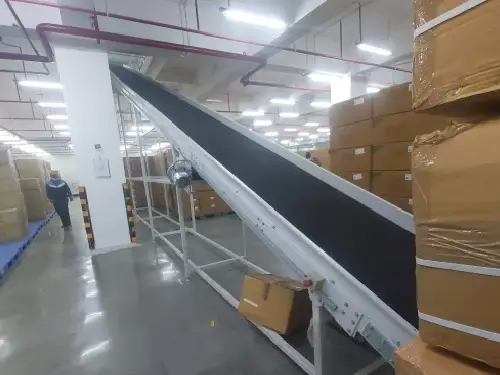
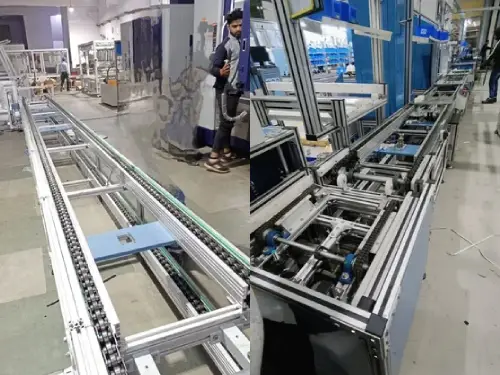
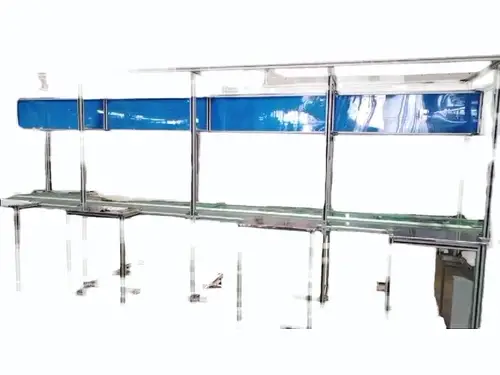

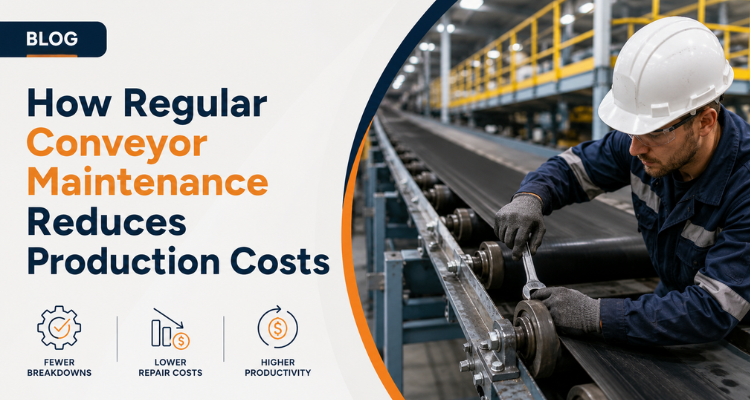
With increasing competition in manufacturing, every business wants to lower its operational costs while maximizing productivity. The role of the conveyor system in material transportation in the production line is very important in the efficient transportation of materials on production lines. They are like any industrial equipment, however, and need regular maintenance to achieve their best performance.
A level of neglect could make it look like saving money, but forgetting to perform routine inspections means potentially having to pay for repairs, experiencing downtime and reduced productivity. Good business investments in prevention will lower the overall costs of production for the business and increase the reliability of its production equipment.
Saves for unforeseen equipment malfunctions.
Maintaining conveyors regularly is one of their major advantages, as it helps to avoid unexpected conveyor failures. When the production line is brought to a halt due to any form of malfunction, it may be a result of any of the worn-out rollers, loose belts, damaged bearings or misaligned components.
Any small issue can become a big problem if not found during routine check-ups. This means that manufacturers will not have to deal with expensive, emergency repairs and production time will not be lost.
It is common for equipment that has been bought from a conveyor belt manufacturer with experience to come with maintenance guidelines that can help in maximizing system performance and service life.
Minimizes time and expense spent on production downtime
One of the most costly problems in any factory is production downtime. Delays, whether brief or long, can impact deliveries, productivity and labour costs.
Maintenance is carried out on a certain basis so that the mobilization’s transmission works during peak periods of production. Businesses can schedule maintenance activities during times when they are not operating, or times that they don’t open as often, avoiding the last-minute hassle of a surprise failure.
This can help to prevent financial losses due to equipment failure and keep production running smoothly.
Improves Energy Efficiency
Conveyor systems that are not taken care of use more energy than those that are. Worn or misaligned belts, worn rollers, and an excess of friction cause motors to do more work, leading to a higher electricity bill.
By using normal lubrication, alignment and component replacements, optimal function is achieved, along with reduced energy use. These savings will add up over time and thus go a long way in reducing total production costs.
Additionally, choosing conveyor belt suppliers one can count on will allow the use of quality replacement conveyor belts, which will keep the system running efficiently.
Extends Equipment Lifespan
However, it is an expensive investment when an entire conveyor system needs replacing. Routine maintenance can help keep equipment longer that has already been put in place.
Dust and debris are a major factor in wear and are easily removed by regular cleaning. Similarly, replacing worn items before their failure ensures that motors, gearboxes, drives – and all involved expensive components – are not damaged.
Companies that adopt a Preventive Maintenance program find they can go for several years before replacing large equipment.
Periodic inspections are recommended by many conveyor system manufacturers, as it helps to ensure maximum life and performance.
Enhances Workplace Safety
Equipment failures can cause reduced production and pose safety risks to employees. If not properly addressed, loose belts, broken rollers and mechanical failures can result in workplace accidents.
Routine upkeep allows issues with safety risks to be found at an early stage and optimizes the safe operation of all conveyor elements. Safe equipment leads to a safe working environment and minimizes the cost of accidents, insurance claims and legal liabilities.
A well-maintained conveyor system will save employees and the business.
Improves Product Quality
Conveyor systems have a direct impact on managing products from the beginning to the end of the manufacturing process. Issues that arise in equipment may result in product damage, placement, or movement issues, or malfunctions.
Smooth transportation through regular inspection, thereby reducing the losses for the material involved and product defects. Improved handling leads to a high-quality product, high customer satisfaction, and minimal product rejects.
There are many businesses that are dependent on the services of the experienced industrial conveyor manufacturers, who make systems adaptable to ensure years of reliable and trouble-free service with appropriate maintenance.
Incorporates better production planning activities.
Unplanned equipment breakdowns can disrupt production schedules and delay customer deliveries. Preventive maintenance helps businesses maintain stable operations, minimize unexpected downtime, and consistently meet delivery deadlines.
Reliable equipment also enables managers to allocate resources more effectively, reduce emergency repairs, and lower overtime costs.
Businesses can further improve long-term efficiency by partnering with a reliable conveyor machine manufacturer that designs systems for easy maintenance and dependable performance.
Conclusion
Regular conveyor maintenance is not an expense—it is a smart investment that delivers measurable financial benefits. Preventive maintenance helps businesses avoid unexpected breakdowns, reduce repair costs, improve energy efficiency, protect equipment, enhance workplace safety, and prevent production delays.
By following a structured maintenance plan, manufacturers can reduce production costs, maximize equipment performance, and improve overall profitability. Investing in regular maintenance today ensures reliable operations, extends equipment lifespan, and supports sustainable business growth for years to come.