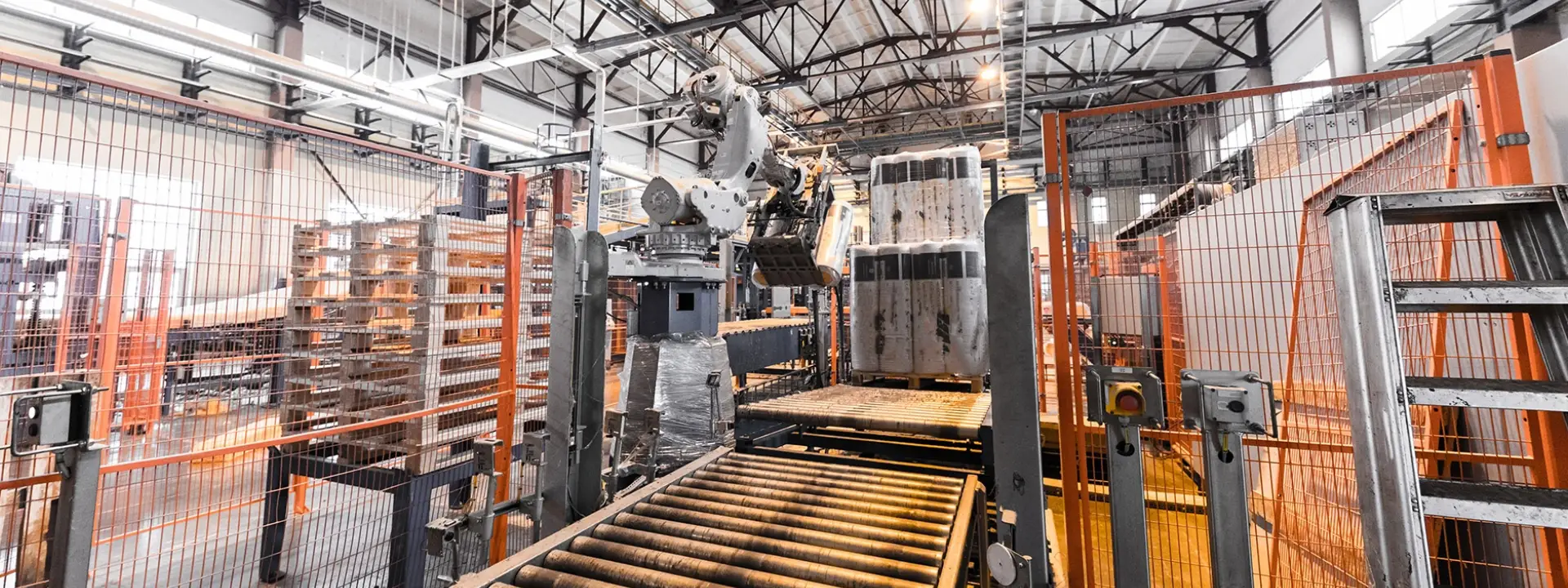
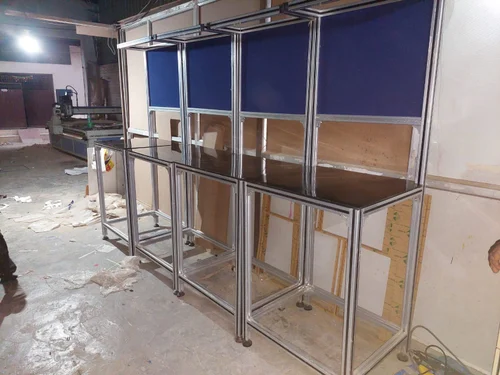
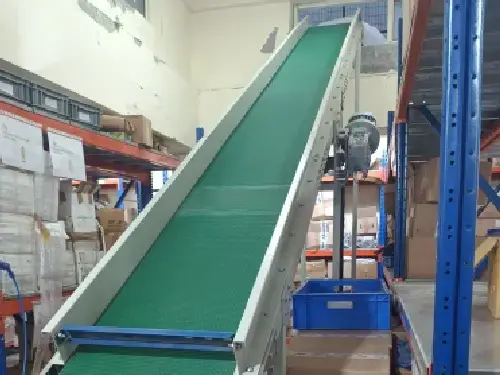
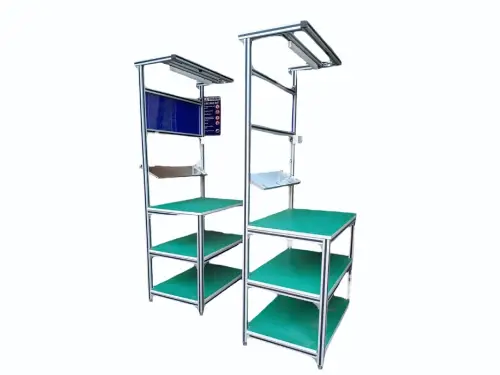
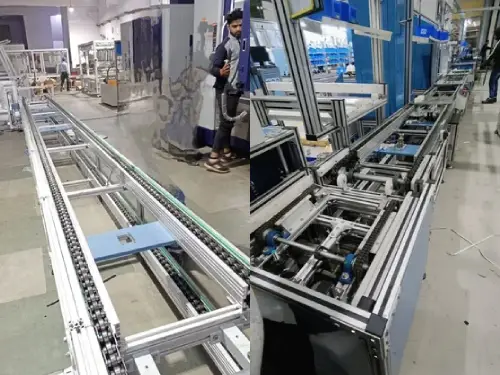
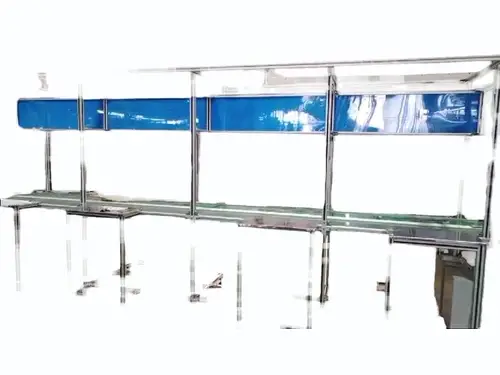

The food processing business is extremely sensitive to the issues of food safety and hygiene. Equipment enables the packaging of the same product and maintains hygiene throughout the process, from the processing of raw material to the packaging of the finished product. Conveyor systems are a crucial element to enabling the efficient transportation of food products that continue to keep a high standard of food and beverage hygiene.
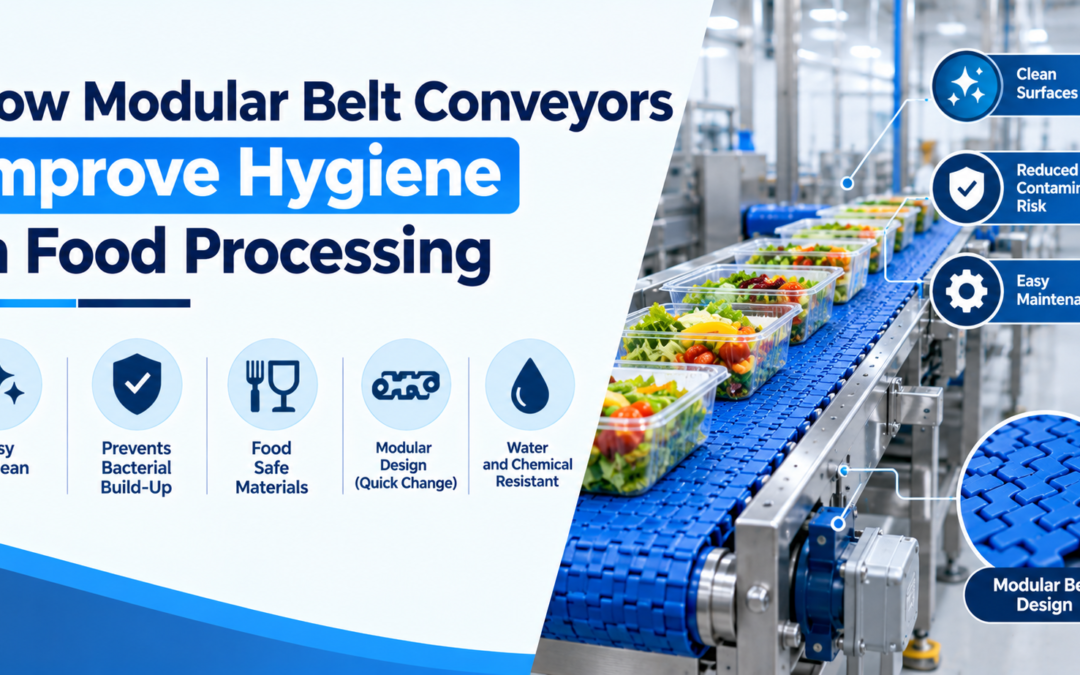
However, modular belt conveyor has a long life, low maintenance workload, it is easy to clean, so it is often used in food processing plants. They employ an interlocking plastic module to form a continuous belt surface suitable for a number of applications in food production.
1. Easy cleaning and maintenance
An easy-to-clean design is among the foremost benefits of modular belt conveyor. Food processing areas should be cleaned periodically to remove food debris, oil, water, and other materials that can lead to bacterial growth.
Some modular belt designs are easier to remove, inspect or replace than other conventional belt designs. Their design also gives the manufacturer options for belt configurations that offer better accessibility for cleaning areas.
If the companies purchase equipment from a reliable belt conveyor manufacturer, they must take into account the hygienic design, accessibility and compatibility with their cleaning methods. They aid in easy maintenance and the maintenance of good sanitation.
2. Less risk of food contamination.
Product contamination can affect product quality, customer safety, and a company’s reputation. The surface of the conveyor will then have to be designed to accept the products and the circumstances under which it is used.
Some modular plastic belts are used to meet a cone-crete food processing need. It is important to use the correct and compliant materials where food contact is to be included, and the design encourages effective cleaning.
A hygienically designed conveyor surface can help to reduce areas where food residue accumulates compared to poorly designed conveyor surfaces. Nevertheless, cleaning, inspection and sanitation are still needed on a regular basis when ensuring food safety.
3. Improvements to drainage and airflow
Another aspect of food processing concerns dealing with moisture, that is managing the moisture content of the foodstuff. During washing, food processing and cooling activities, water can be trapped on the surface of the conveyor.
A variety of belts available in the modular belts category have open-grid and/or perforated designs that permit water and debris to pass through. This aids drainage and in suitable applications increase the effectiveness of cleaning.
These designs are very helpful and facilitate cleaning in plants of veggies, meat, seafood, and other foods that are washed on a regular basis. The correct belt design is a function of the product, process and sanitation needs.
4. Durability – demanding environments
Food processing conveyors are used for an extended period and washed frequently. Equipment should be usable continuously and be easy to clean without a decrease in performance.
If the belt is of suitable construction and quality, good resistance to wear and impact may be obtained with a well-calculated modular belt. In some cases, it can also be resistant to moisture and some cleaning solvents depending on the belt material used.
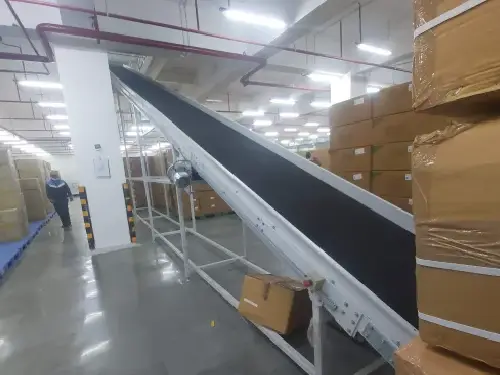
For food processing applications, a flat belt conveyor is an excellent solution, provided that the belt material, surface and construction are suitable for such a restricted space. Don’t just choose the belt type – the type of conveyor is dependent on the operation.
5. It has a flexible design that can be adapted to various uses
Manufacturers handle food products in various sizes, shapes, and weights. Conveyor systems can accommodate these differences and support different production needs, including conveying, sorting, cooling, and packaging.
Modular belt conveyors feature interchangeable sections, allowing operators to replace damaged sections without replacing the entire belt. This design simplifies repairs and reduces maintenance downtime.
An experienced manufacturer can recommend the right belt diameter, width, and material composition based on the facility’s requirements. A well-designed conveyor system also provides easy access for cleaning, inspection, and routine maintenance.
6. Assisting in the establishment of Food Safety Standards
Modern food processing plants must follow proper hygiene procedures and food safety regulations. Conveyor equipment should support these requirements through practical designs and suitable materials.
When choosing a modular belt conveyor, businesses should consider food-contact safety, ease of cleaning, drainage, operating temperatures, and chemical resistance. They should also establish regular cleaning schedules and inspect belts frequently for damage or material buildup.
Working with an experienced belt conveyor manufacturer helps food manufacturers select equipment that meets their production requirements and hygiene standards. The right conveyor system can improve operational efficiency while supporting food safety and consistent product quality.
Conclusion
Modular belt conveyors offer several advantages in food processing, including easy cleaning, improved drainage, flexible design, and simple maintenance. With proper planning, suitable materials, and hygienic components, these conveyors help food manufacturers maintain cleaner production areas and improve operational efficiency.
Choosing between a modular belt conveyor and a flat belt conveyor depends on the product, cleaning requirements, and operating environment. Food processing facilities can reduce product quality risks, improve operational efficiency, and maintain food safety by selecting the right conveyor design and following proper sanitation practices.