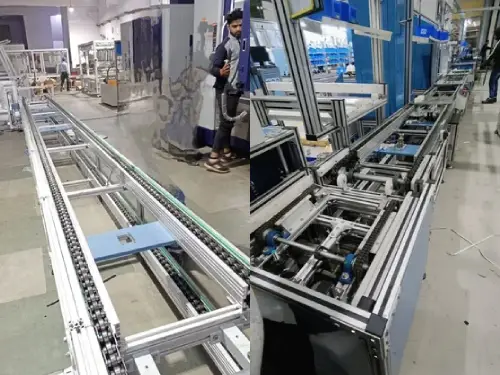
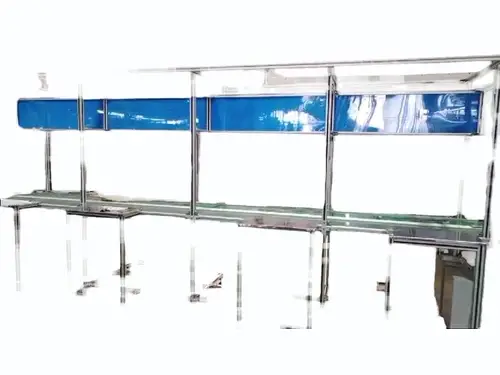

The selection of the appropriate conveyor system is crucial to a production that is smooth, efficient and cost-effective in material handling. A conveyor system supplies businesses with safe transport, a steady running production line, and decreases human intervention. But there are considerations about the type of product, load, rate of product generation and floor space that is required in order to choose the right system.
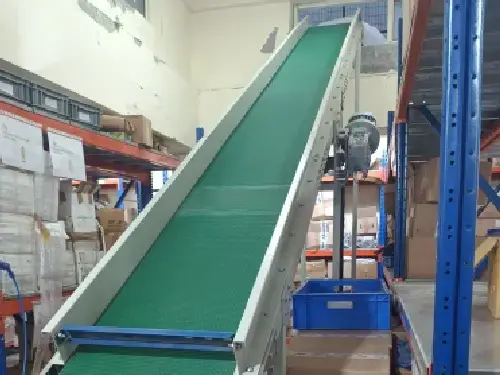
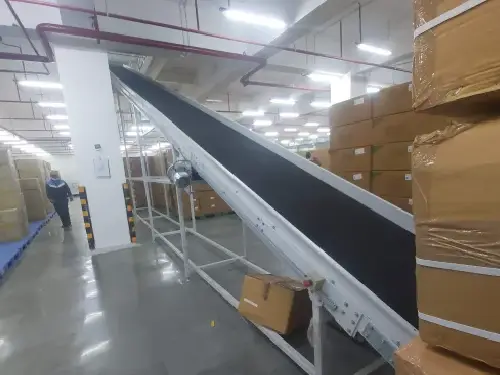
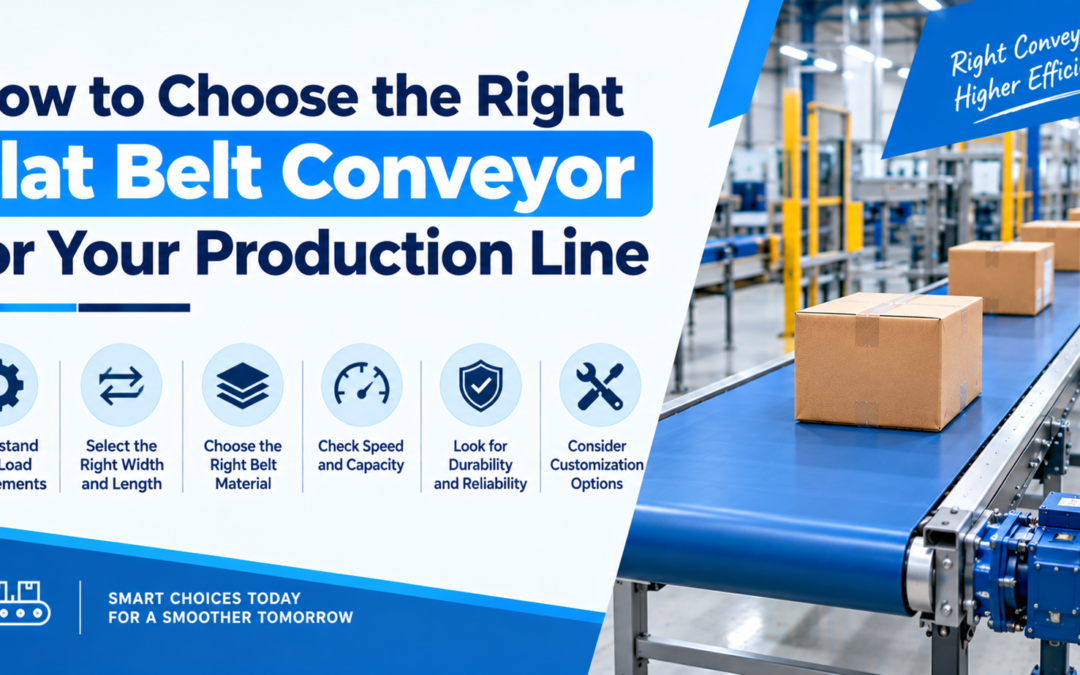
A flat belt conveyor is widely used in manufacturing, packaging, assembly and warehousing. It is easy to operate and has taken on a variety of shapes, so it has been adopted for the transportation of all sorts of products. For example, in the application of SRG Autosolution, to meet the production requirements, we must understand what it is.
1. Know the kinds and methods of production you can use
Determine the product(s) you will need to convey first, before choosing a conveyor. Take into account their dimensions, weight, form and texture. Depending on the small components, packaged goods, and lightweight products, separation belt specifications may vary.
Another factor to take into account is the length of products that need to be conveyed and the conveyors’ continuous or disruptive operation. Swiss Dental guides the important factors to consider as you select a system that meets your requirements, but doesn’t cost too much.
2. Also look for the right belt material
The performance, durability and maintenance of a conveyor are directly related to belt material. Typically, this can be PVC, poly, rubber, or other material depending upon the specific industrial applications.
PVC belts work well in many manufacturing and packaging applications, for instance. Oil and/or abrasion resistance, or specific cleanliness requirements, may necessitate the use of polyurethane belts.
Consider product contact requirements, cleaning methods, exposure to moisture and flat belt conveyor operating temperature when selecting a flat belt conveyor. The suitable belt material can affect the reliability and the service life of the equipment.
3. Check Load Capacity and Conveyor Speed
There are load and speed requirements for each production line. When the belt, rollers, motor, or frame of a conveyor is being loaded by products traveling along it, it should not be strained beyond the limits that result from the total weight of the product.
Likewise, the speed of the conveyor should be in line with the production process. Over-speeding may cause products to move, but also cause congestion at the subsequent work stations. A slow conveyor speed can lead to less productivity.
When your production process calls for flexibility, select a system that has an appropriate load capacity and variable speed controls. The features promote material flow and facilitate production coordination between various processes.
4. Take into account any available Floor Area.
Conveyors: Dimensions and layout should be considered to maximize available space for the factory floor. Determine the space available and any workstations, equipment and obstacles.
An optimum conveyor design should meet the production layout requirement and leave space for employees to be able to reach the equipment for inspection and maintenance. Many applications can make use of straight conveyors, or for more complicated applications, a specialized configuration can be used.
An experienced belt conveyor factory can help assess your space requirements and recommend a suitable conveyor design for your facility.
5. Discuss the difference between Flat Belt and Modular Belt Conveyors
There are a variety of conveyor designs available, all of which come with unique benefits. Learning the different components of it will assist you in making a sensible selection.
A flat belt conveyor creates a flat surface that products can rest on as they are conveyed. It is especially beneficial for packaging lines, assembly processes, and products that need stable motion.
A modular belt conveyor is a conveyor system consisting of several plastic modules, different from a continuous belt conveyor. This design can facilitate the replacement of broken parts and may be appropriate for applications that may need to provide drainage or special cleaning programs, or longer conveyor paths.
Which type you should use will depend on your product, the type of hygiene you’re looking for, your operating conditions and your maintenance needs.
6. Describe maintenance and energy efficiency and assess their level of importance
The long-term operating costs of a conveyor are affected by its maintenance requirements. Check for easily accessible parts and for reliable motors, belt tracking systems, and replacement parts.
Expected downtime can be avoided by being attentive and maintaining correct belt tension. Energy-efficient motors with the correct speed controls can also minimize energy waste.
When buying a conveyor, ask about routine maintenance, replacement parts availability, warranty, and technical support. These factors can help reduce production downtime.
7. Choose a Reliable Conveyor Manufacturer
While it’s crucial to choose the right equipment, it’s also vital to choose the right supplier. Find a manufacturer that is familiar with your industry, will customize their equipment to your needs and offers support services in the life cycle of the equipment.
SRG Autosolution specializes in industrial material handling solutions that help to support effective industrial production requirements. To ensure you have the right conveyor system to use to address your current needs and going-forward objectives, you have to assess your application, conditions and activity.
Conclusion
Technical requirements for production, the belt material, load capacity, the belt speed, available space and maintenance are important to consider when deciding on a conveyor. Another option when comparing flat belt vs. modular belt design may be to pick a specific one.
If you choose the right flat belt conveyor, it can help optimize the movement of materials, ensure accurate production, and minimize unnecessary manual labor. SRG Autosolution has a wealth of experience in the industry, so collaborating with them can help you get the answers you need and create more efficient production lines.