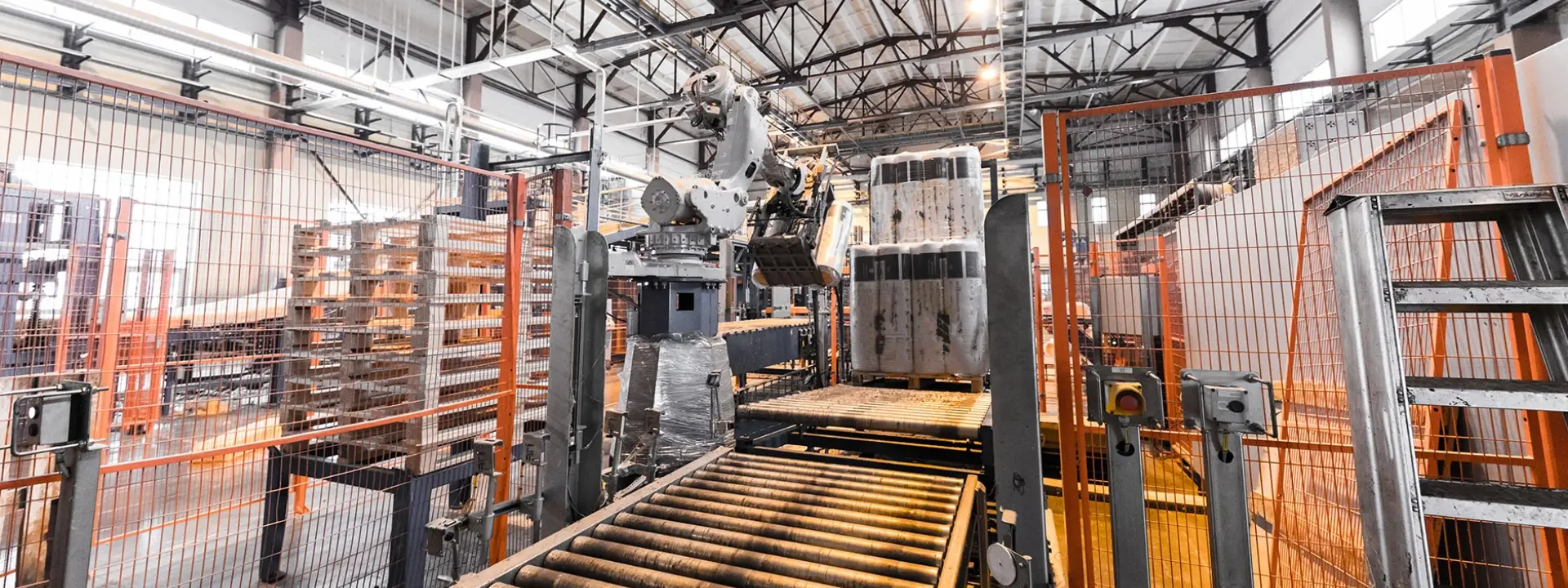
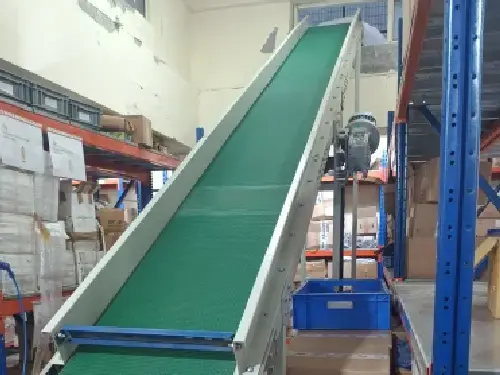
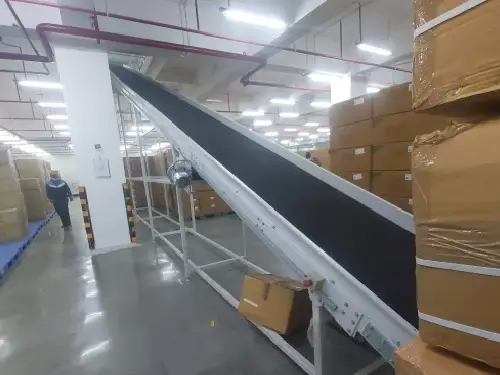

The rubber conveyor belt has been used as a means of transporting materials efficiently throughout manufacturing facilities, warehouses, mining sites and even industrial venues. But with any belt, such as a new, good belt, the service goal may be exceeded if it is used under conditions that are not suitable or if it is not properly maintained. By having these insights, businesses can optimise material handling, minimise downtime, and control the replacement expenses of the material transport system, directly impacting their production and profitability.
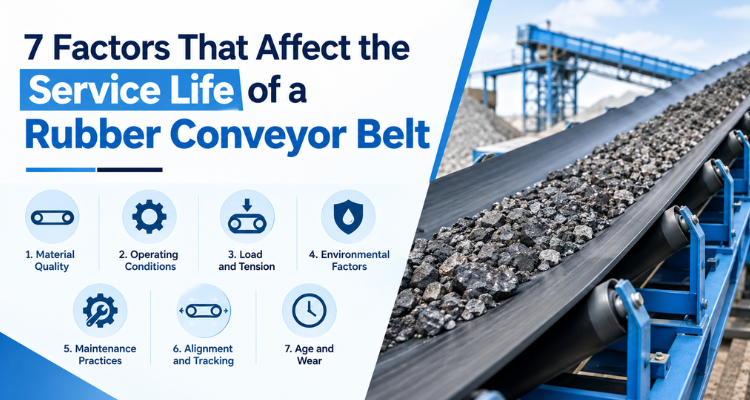
Seven points of importance that help determine the service life of a rubber conveyor belt.
1. Quality of the Belt Material
The composition and quality of rubber has direct impact on the operating life of the conveyor belt. Abrasion, impact, heat, and other tough conditions can be better resisted with durable belts.
The material being conveyed and the conditions under which the conveyor will operate can be taken into account when choosing the type of belt. Rubber conveyor belt manufacturers are able to provide valuable experience in selecting the conveyor belt that best suits the application.
2. Kind of goods involved in the transportation
Various materials impose varying stress amounts on a conveyor belt. Materials with sharp, heavy, abrasive, and/or rough edges can damage the belt edge, thus accelerating wear problems.
For instance, abrasive materials like stones, metal parts and other abrasives can lead to cuts or surface erosion over time. The correct belt type for material can make a huge difference in the durability of the operation.
3. Proper Conveyor Loading
If the conveyor belt is too full, then the belt, rollers, bearings and drive components can be overloaded. Beyond the recommended capacity, continuous use can cause cracks to open up, stretching, edges to be damaged and failure to occur prematurely.
The operator should handle the conveyor at the recommended load capacity as specified by the conveyor and spread the load uniformly across the conveyor. Good load handling also allows for constant movement and decreases the undue strain on the loading and moving equipment.
4. Conveyor Belt Alignment
Belts can also prematurely wear out due to incorrect alignment. If a belt is continually rolling to one side, the sides of it can rub against the conveyor structure. This can lead to the wearing down edges and uneven wear.
Systems such as belt positioning, tracking systems, rollers and pulleys should be checked regularly to ensure correct alignment. Good tracking also assists in the flow of goods, minimising the risk of unexpected delays.
5. Normal cleaning and maintenance
Conveyor performance can be impacted using dust, dirt, spilled materials, and other debris. A layer of material may form on pulleys and rollers, which can cause more friction and put stress on the belt.
Routine cleaning and routine checks can help reduce problems before they start to present. Adopting a preventative maintenance approach, the technicians should look for cracks, cuts, loose parts, excessive wear, and unusual noises.
6. Operating Environment
The performance of rubber belts may be affected by temperature, humidity, chemical exposure, soiling, and sunlight. Extremely hot or cold temperatures can impact flexibility of rubber, and some chemicals can degrade rubber.
Businesses need to choose the belts appropriate to their working environment. The manufacturers and suppliers of conveyors may be able to make recommendations on the materials and specifications for conveyors to be used for special applications based on operating conditions.
7. Conveyor Design and Components
Also, the overall conveyor design will impact belt life. Stress on a belt can be increased due to improper pulley size, improper positioning of the rollers, an incorrect belt tension, and inadequate support.
There are other conveyor systems, which may have different conveying principles and other parts depending on the application, including the ones proposed by slat conveyor manufacturers. Quality equipment and system design will be required for reliable material handling.
Conclusion
Rubber conveyor belt service life is influenced by the material properties, loading conditions, alignment, maintenance, operating environment and conveyor design. Proactive inspections and maintenance will help keep minor problems from becoming major costs.
When businesses take the time to choose the right belt for the job and keep the entire conveyor system in good working order, they can use it to ensure higher reliability, minimal downtime and optimal longterm performance. Partnering with a conveyor equipment supplier with experience like SRG Autosolution can also assist companies in selecting appropriate solutions to their material handling needs.