


Selecting an appropriate Conveyor System in today’s industrial world is important for better productivity and reduced downtime and smooth material handling operations. Chain Conveyors and Belt Conveyors are popular conveyors. These each have their own benefits, and the type that’s appropriate relies upon your business needs, load capacity, and aims.
We know that each business’s material handling needs are unique at SRG Auto Solution. This guide will help you to understand the differences between chain conveyors and belt conveyors and make the right choice.
Chain conveyor, what is it?
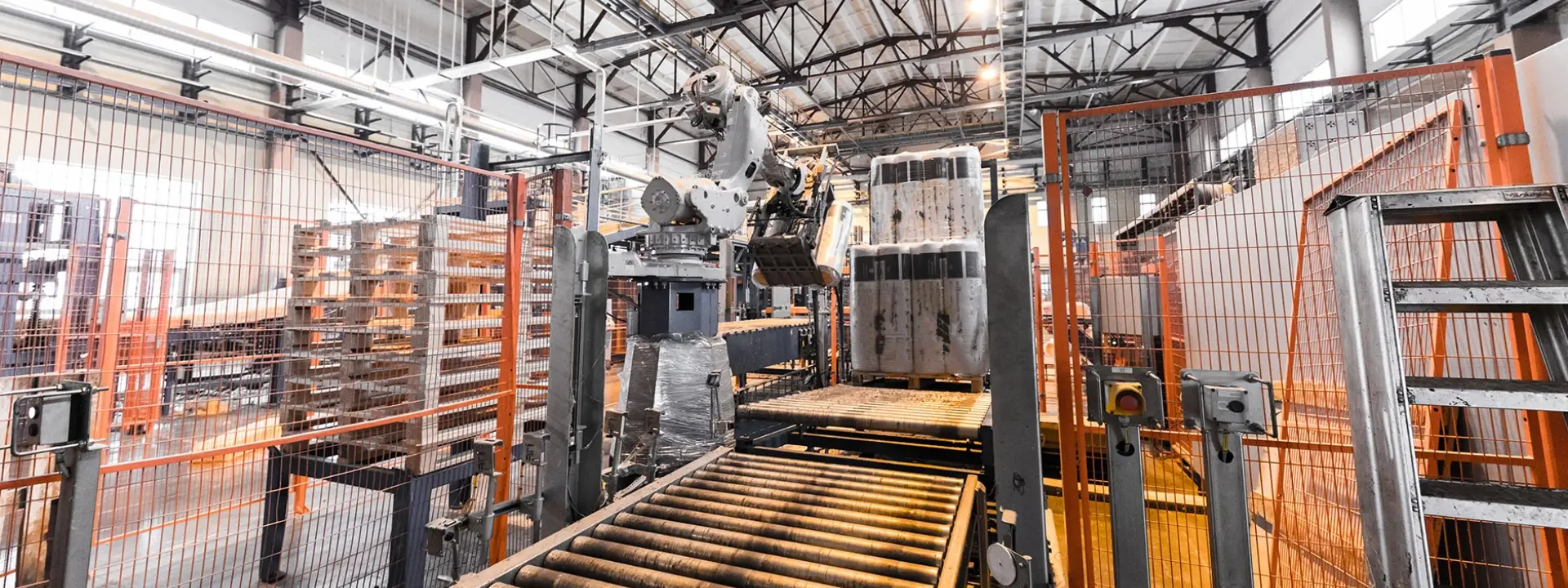
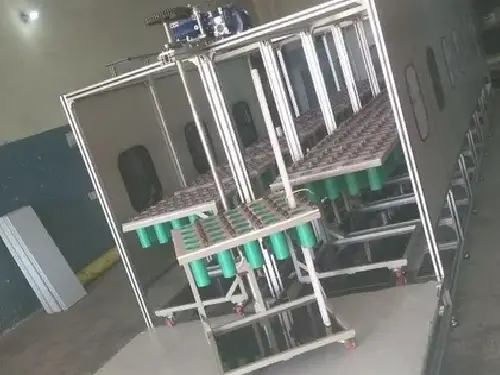
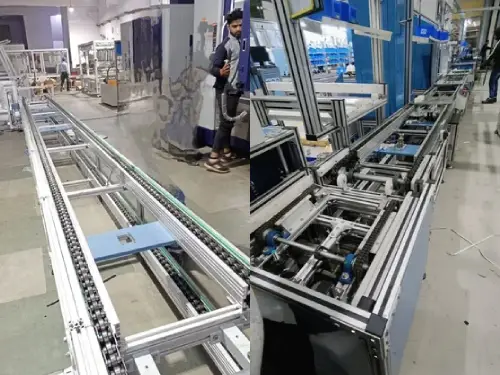
A chain conveyor is a material handling system consisting-one or more continuous chains with movements should be used to move products to transfer from one point to another. They are extensively applied in production plants, automotive industries, stockyards and major production establishments.
Chain conveyors can be used to move heavy items such as scrap metal and in challenging conditions, which is why experienced chain conveyor manufacturers are preferred for such work. These are great for moving pallets, automotive parts, metal parts and other large items.
Chain Conveyors offer several advantages:
- High load-carrying capacity
- Excellent durability and long service life.
- Able to withstand severe industrial conditions.
- Smooth operation, with less risk of slipage.
- Ideal for heavy, bulky or oddly shaped items
Limitations of Chain Conveyors
- Higher maintenance requirements
- Can be more noisy than belt conveyors
- Tends to require a larger up-front investment
An overview of the Belt Conveyor.
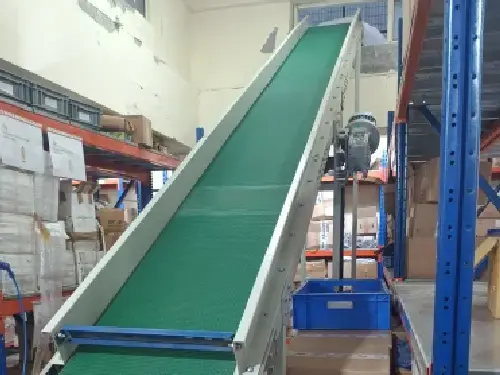
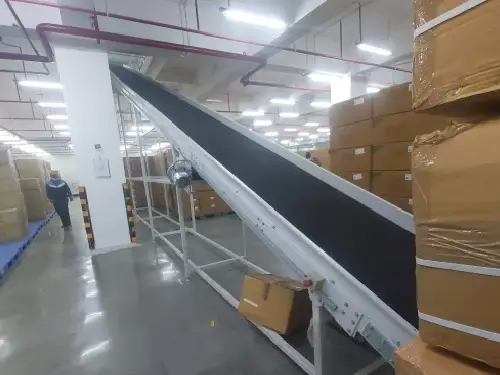
A belt conveyor uses a continuous belt stretched between pulleys to transport materials efficiently. Businesses across various industries choose belt conveyors because they offer versatility and cost-effective material handling solutions.
Industries such as packaging, food processing, light manufacturing, logistics, and retail widely use belt conveyors to move products smoothly. These systems efficiently transport light to medium-weight items and help streamline operational workflows.
Advantages of Belt Conveyors
- Smooth and quiet running.
- Lower maintenance costs
- Energy-efficient performance
- Fits easily on board for long distance haulage products transport
- The platform is cost-effective to numerous industries. It is cheap, good for many industries.
Belt Conveyors are limited in their application.
- Small capacity of loads per volume compared to Chain Conveyor Systems
- Belts can become worn with time.
- Not as good for very heavy fabrications.
There are a number of key differences between chain conveyors vs belt conveyors.
Load Capacity
Chain conveyors handle heavy industrial products more effectively than belt conveyors. Industries such as automotive components, metal fabrication, and pallet manufacturing rely on chain conveyors for their strength and durability. Businesses in these sectors can ensure reliable performance and consistent material handling by partnering with a reputable conveyor chain supplier.
Maintenance
Belt conveyor has less maintenance and service requirements. For best results it may be necessary to periodically lubricate and check the chain conveyor.
Operating Environment
Chain conveyors work very efficiently in dusty or hot conditions or in harsher environments. Belt conveyors are suitable in a clean controlled area where products need to move smoothly.
Cost Considerations
Belt conveyors generally have less installation and maintenance expenses. Chain conveyors are durable enough to give better longlife value, however, for severe duty applications.
Conveyor rollers are essential parts of a conveyor system and play a crucial role in material handling.
Conveyor rollers play a critical role in ensuring efficient product movement throughout a conveyor system. Businesses can optimize conveyor performance, reduce maintenance issues, and extend equipment lifespan by partnering with a reputable conveyor roller manufacturer.
In industries like manufacturing, construction, aerospace, and retail, high-quality rollers can help to ensure more seamless operations, boost productivity, and lower operational expenses.
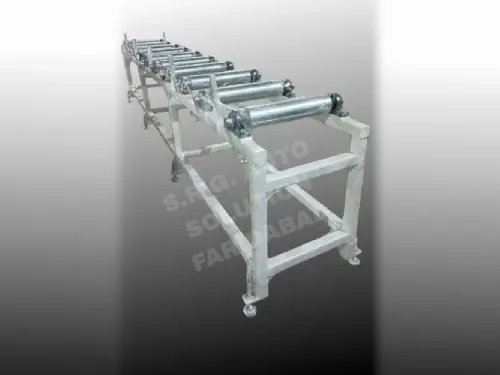
What are the benefits to using a roller gravity conveyor?
Businesses looking for a hassle-free and cost-effective material handling solution often choose roller gravity conveyors. These conveyors use gravity to move products, which eliminates or significantly reduces the need for external power. As a result, businesses can lower energy consumption while maintaining efficient material movement throughout their operations.
They can be used in transit between various areas, such as warehouses, distribution centers, and packaging plants, for transporting cartons and boxes as well as light materials. The benefits of using roller gravity conveyors include:
- Low operational costs
- Easy installation
- Minimal maintenance requirements
- Energy-efficient material handling
Determine the most suitable conveyor for your business!
Businesses should choose the right conveyor system based on their operational requirements. Companies that handle heavy loads and operate in demanding industrial environments often benefit most from chain conveyors. On the other hand, businesses that need smooth and efficient transportation of lighter materials may find belt conveyors a better option.
These partnerships help businesses select the most suitable equipment for their specific operational requirements. In addition, roller gravity conveyors improve efficiency in warehouses and distribution centers by streamlining material movement and reducing handling time.
We, at SRG Auto Solution, offer tools that enable our clients to find conveyor solutions that can solve their material handling challenges and help their businesses grow.