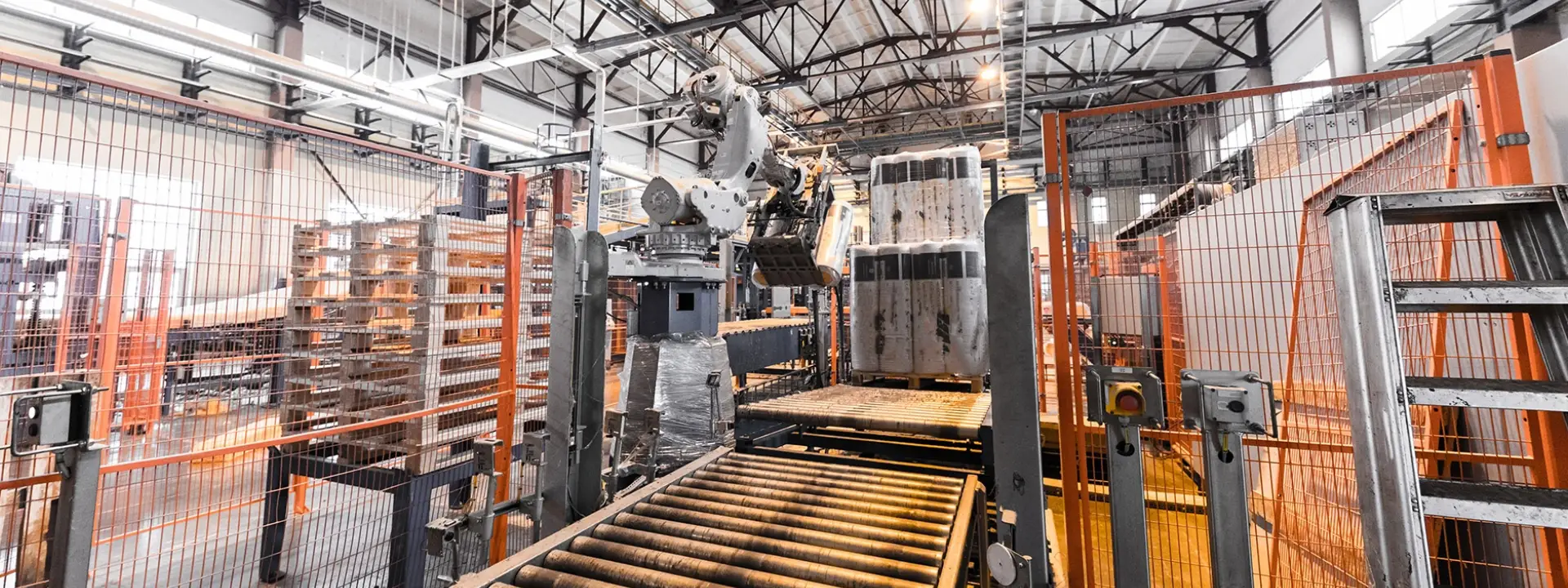
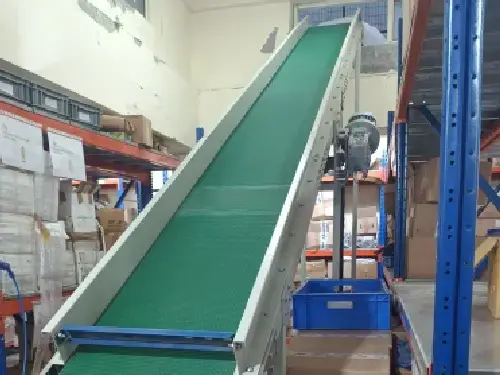
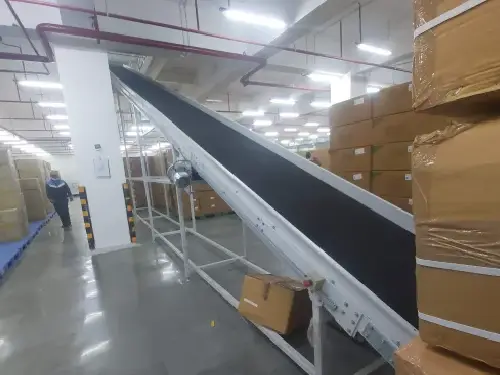

Conveyor systems have a significant impact on material handling, mining, warehousing and manufacturing. Industries are working to make their industrial processes more productive and safe, and sensors play an integral role in contemporary conveyor systems. They come in handy when keeping track of operations, detecting problems early, and minimizing the occurrence of accidents or damage to equipment.
Intrusion detectors are a proven part of the conveyor solution that can enhance the reliability and control of conveyor operation, so it is becoming commonplace to find modern conveyor belt manufacturers using this sensor-based technology to offer these solutions. Sensors deliver real-time data like detection of missing materials, belt movement, etc., to ensure operators make correct decisions.
Sensors enhance conveyor belt safety in many ways.
One of the largest benefits of conveyor sensor systems is their safety. Moving conveyor belts can pose hazards as materials may become jammed, belts may slip, or malfunction. These conditions can be detected by the sensors and can trigger an alarm or shut off automatically.
For instance, pull-cord switches for emergencies can be programmed to sense when the operator pulls the trigger for safety mode. They can detect belt misalignment, meaning when a belt is not where it’s supposed to be. This will prevent the issue from causing a big problem or workplace hazard during its course.
Today, a growing number of conveyor belt suppliers provide systems with safety sensors for safer operation of material handling equipment. The solutions are particularly beneficial in situations with a heavy production load, like when the conveyors are running continuously.
Improving Conveyor Performance
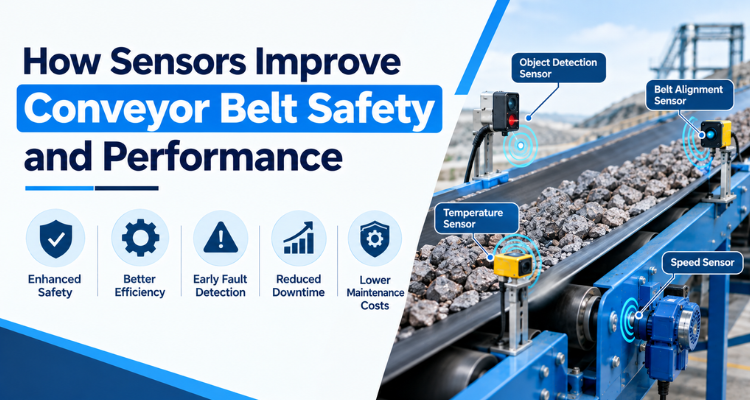
Sensors are used for more than safety. They also contribute to making conveyors more effective. The belt movement can be monitored using speed sensors, and if there is a break in belt speed, the sensor will detect it. Temperature sensors can be used to monitor motors, bearings and other components for overheating.
Operators can use this data to anticipate potential issues in avoiding unexpected downtime. This helps in preventive maintenance and extends the life of important parts of the conveyor.
Sensor integration can also aid in designing a conveyor system that meets the unique production needs for businesses collaborating with conveyor systems manufacturers. Depending on the type of material, conveyor design, etc., and the degree of automation, different sensors can be chosen.
Conveyor system sensors come in a variety of types, with the most popular ones listed below
There are multiple means of enhancing conveyor safety and performance through the use of several types of sensors:
- Proximity sensors: Sensors that ‘sense’ an object’s proximity or position without coming into contact with it.
- Photoelectric sensors: Use light to sense products on the conveyor/process.
- Speed sensors: Check the speed of the belt and detect any abnormal changes.
- Belt alignment sensors: Identify or sense belt off-center.
- Temperature Sensors: Keep an eye on excessive heat from motors, bearings and other parts.
- Load sensors: Assist with tracking load or weight that flows through the system.
A combination of sensors can control the operation of conveyors better and enable fewer manual checks.
Supporting Predictive Maintenance
Surprising broken conveyor incidents can cause disruptions in production lines and maintenance expenses. The risks can be minimised by continuously monitoring equipment conditions with sensors.
For instance, if the temperature, speed, vibration, or belt movement are wrong, it may be a sign of a potential mechanical problem. Maintenance crews have an opportunity to identify the issue before it becomes a big issue. Such a solution can minimize the risk of unexpected downtime and keep businesses on schedule.
Advanced industrial conveyor manufacturers can build sensor-based systems that not only help optimize operations but also facilitate maintenance decisions.
Selecting the proper conveyor technology.
The materials handling needs are unique at each facility. The selection of sensors can depend on the length of the conveyor, the type of belt, the weight of the material being handled, the speed the conveyor is operating at, environmental conditions, and whether or not the conveyor is being automated.
An expert conveyor machine manufacturer could inspect these factors and suggest appropriate components for monitoring and safety. It is also crucial that the sensors be positioned appropriately in the installation, as improper positioning of sensors can send an inaccurate reading.
When looking for a conveyor manufacturer near me, it’s essential not to take just the price of the equipment into account. The long-term performance of a conveyor system may also be impacted by its technical capabilities, customization options, installation assistance, maintenance services, and sensor integration capabilities.
Conclusion
Sensors have evolved to play a vital role in today’s conveyor systems, improving safety and comfort, monitoring equipment, and making preventive maintenance easier. They assist operators in detecting unusual conditions, lower the risk to the equipment involved and help keep the material moving through the system more smoothly.
For businesses that invest in conveyor automation, sensors can be a practical way to improve workplace safety and efficiency. If designed and equipped properly, a conveyor system can perform consistently and provide long-term productivity.