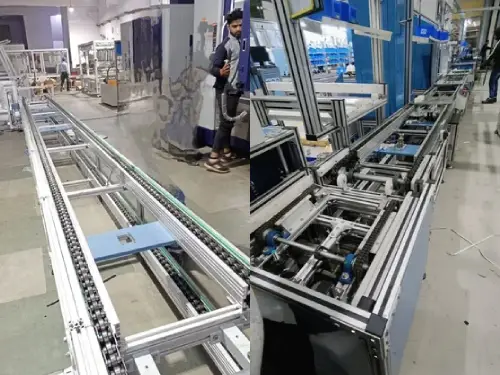
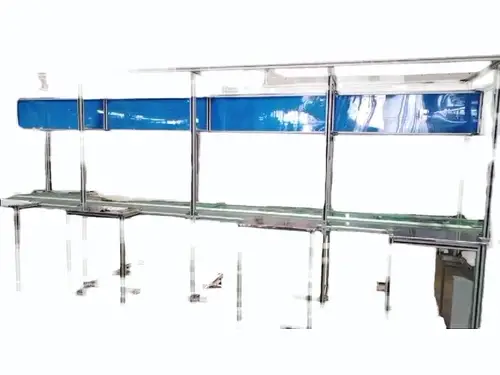

In the era of modern industrial machines, efficient material handling is the key to ensuring productivity within the production environment and to minimizing delays and operating costs. In some sense, the conveyor system plays a big strategic role in the smooth movement of materials from one point to another. But, finding the correct conveyor dimension is equally crucial as selecting a particular type of conveyor.
Width and length are the two important points that directly impact on the performance of a conveyor. The proper mix ensures material flow is stable, helps keep spillage to a minimum and boosts overall productivity at the business level. SRG Autosolution recognises these needs and offers conveyor solutions that meet the demand of various industrial applications.
Conveyor Width Matters
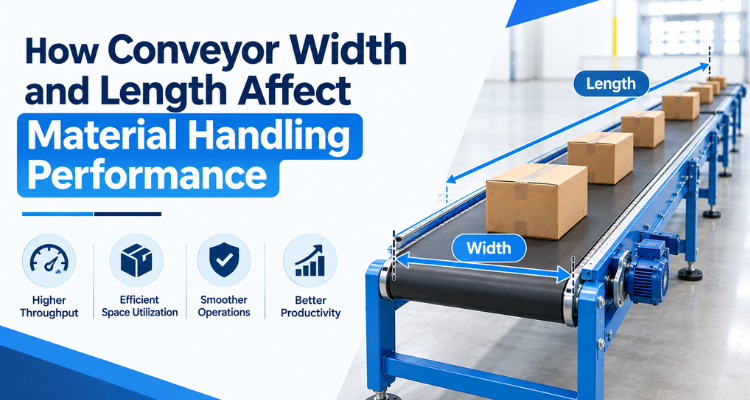
The width of this conveyor determines the amount of material that can be moved in a given time. You can limit equipment and operational costs with a narrower conveyor if necessary, but too narrow a conveyor can cause bottlenecks.
A suitable conveyor width should take into account:
- Size and shape of material
- Required load capacity
- Material flow rate
- Product arrangement
- Conveyor speed
- Available installation space
As an example, a larger conveyor surface area is typically needed for bulkier or irregularly shaped materials. Conversely, smaller products can be transported with a narrow belt too.
The right width dimension will also help to keep materials from spilling over the sides. This enhances the cleanliness of the workplace and lowers the losses of products in transport.
The length of the conveyor does not have a significant impact on the impact
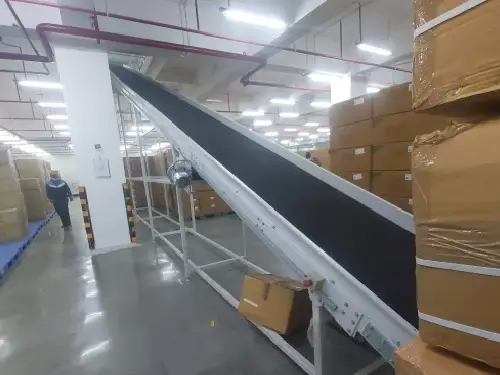
The length of a conveyor is the distance materials have to cover between two points. If conveyors are used, longer conveyors can minimize manual transportation, but care must be taken to properly design and engineer the system.
The longer the conveyor, the more important these aspects are: motor power, belt tension, support structure and alignment. There is a possibility that a long conveyor may waste more energy and be more prone to wear if it is poorly designed.
When determining the length of a conveyor, the following should be considered:
- A spacing distance between loading and unloading points
- Elevation changes
- Material weight
- Conveyor speed
- Required throughput
- Available floor space
- Maintenance accessibility
The right length selection will guarantee efficient delivery to the destination without unnecessary travel or energy use.
For top performance, it is ideal to use balance X/L ratio
It is important to note that width and length can not be used independent from each other. They collaborate to design the overall capacity and performance of a conveyor system.
A wider belt can be used to contain more material on the surface, and longer lengths can transport the material for a longer distance. However, larger sizes of both dimensions if not taken into account by the application could mean higher installation and operating costs.
In view of this, it is important for businesses to determine before they settle on a conveyor size, how many customers they need it to handle. The number of materials to be transported in a certain time must match the design of the materials.
How the different dimensions influence material flow
Choosing the right conveyor size ensures consistent material flow. A narrow belt may not support the required load capacity, which can cause materials to pile up or spill. On the other hand, an overly wide belt may leave much of its surface unused.
Conveyor length also affects material flow. A conveyor that is too short may require additional transfer points, while an overly long conveyor can consume more energy and increase maintenance requirements.
A well-designed conveyor system ensures smooth material movement from one stage to another across production, storage, packaging, and distribution operations.
Importance of Professional Conveyor Design
The size of the conveyor that is to be installed in the facility needs to be determined correctly, considering the characteristics of material, production required and layout of the facility. As long as you have an experienced conveyor belt manufacturer who has experience assessing this, you can be rest assured that they can recommend a proper belt size and configuration.
Reliable conveyor belt suppliers will also be able to advise the belts and components used based on the load requirements, operating conditions and application needs.
If the project is more significant in terms of conveyor systems, having well-experienced industrial project conveyor system manufacturers can ensure that the whole system will be designed in the way that will be advantageous to the facility’s workflow. When designing a conveyor belt system, professional industrial conveyor manufacturers can take into account the width of the conveyor, conveyor length, conveyor speed, loading power, and supporting structure.
Choosing the Right Conveyor Machine Manufacturer
Finding the right partner can have an impact on conveyor performance. An able conveyor machine manufacturer ought to comprehend the entire material handling chain instead of simply its devices.
When choosing a supplier, businesses should bear in mind:
- Manufacturing experience
- Customization capabilities
- Material handling expertise
- Equipment quality
- After-sales support
- Maintenance requirements
For those who are looking for a conveyor manufacturer located near me, remember to consider their technical expertise, quality of the product, customization capability and service provisioning.
Conclusion
The width and length of a conveyor directly affect material handling performance. Proper sizing can improve material flow, minimize spills, support adequate throughput, and help control energy and maintenance costs.
Businesses should consider material properties, travel distance, production requirements, and plant layout before purchasing a conveyor system. With professional design and the right equipment, companies can build a robust and reliable material handling system that delivers long-term performance and efficiency.