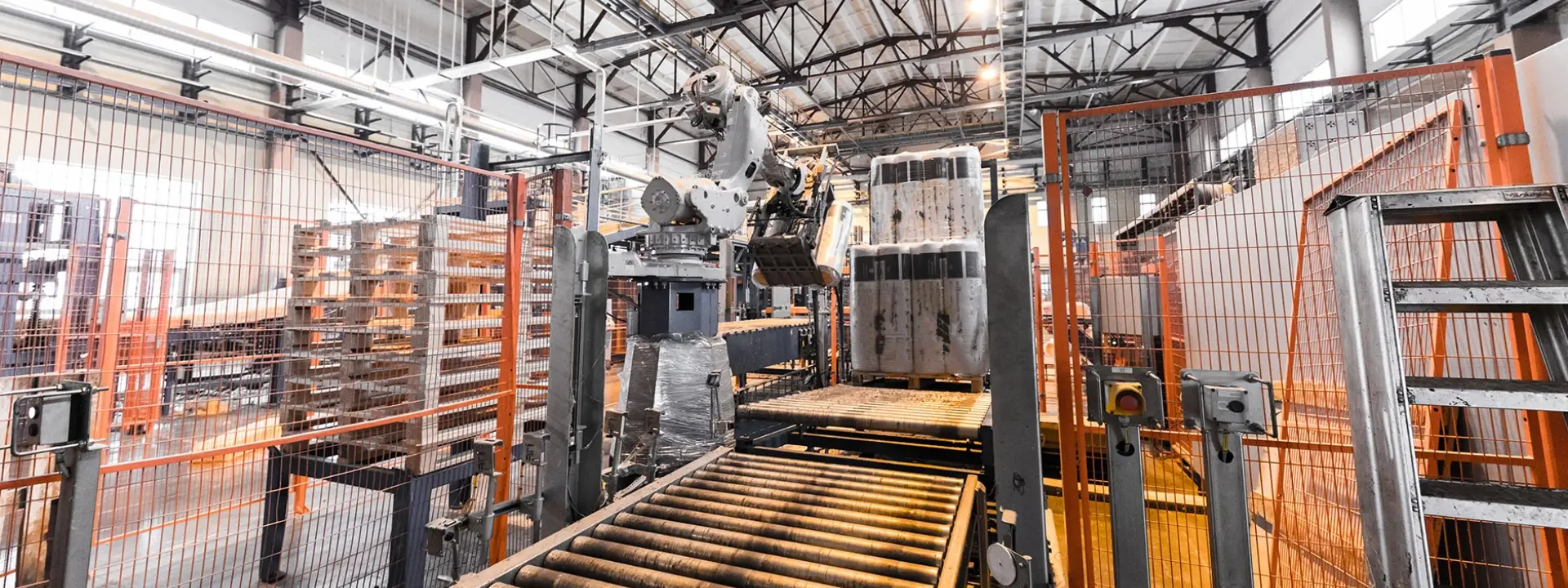
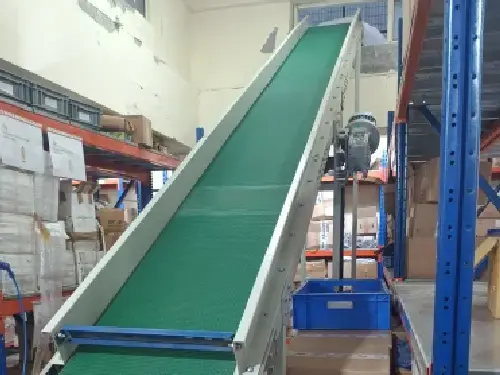

Chain conveyors play a crucial role in today’s material handling operations. They are built to efficiently push large, heavy and inflexible items from one place to another at a steady speed and in a controlled manner. A chain conveyor system moves materials from one place to another using chain(s) and is different from belt conveyor that does so by means of belt.
Generally, manufacturers embody chain conveyors because they need a robust, durable and reliable way to transmit products in tough conditions. They are well utilized in manufacturing and industrial applications, such as the automotive sector, warehouses, packaging, assembly and others.
What Is a Chain Conveyor?
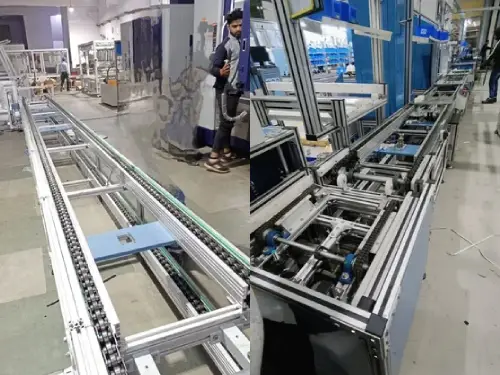
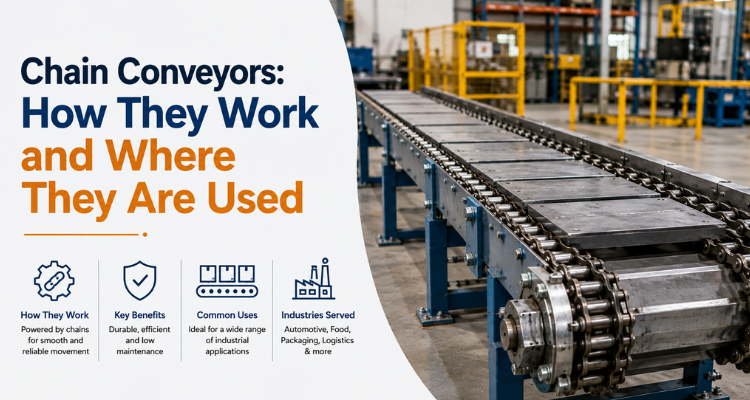
Chain conveyor: A chain conveyor is a mechanical conveying system that is used to transport materials along a certain path, using chain or a chain set. The chain passes over sprockets which are mounted on a motorized system. With the rotation sprockets propel the chain forwards and along the products loaded on it.
A single chain, double chain, multiple parallel chains, can be adopted for the chain conveyor of the product according to the application. Various attachments as well as supporting surfaces can be applicable to work with different product types.
Chain conveyors can be used in applications where they must be extremely reliable in carrying heavy loads, because of their ease of construction.
How does Cee’d’s chain conveyor work?
A working principle of a chain conveyor is relatively simple. All components help to ensure smooth operation, however, each one has an important role in this.
1. Single-Wheeler Motor and Drive System.
A motor will provide the conveyor’s power. Carries rotation to drive sprocket via correct gearbox / drive mechanism.
2. Sprockets
The sprocket is a part that acts in conjunction with the chain to rotate the chain continually. The drive sprocket is used to push the chain forward and the return sprocket is used to move the chain back in the conveyor system.
3. Chain
The chain is the most important and ubiquitous moving and towing element. It is chosen based on what you want to transport, its weight and size.
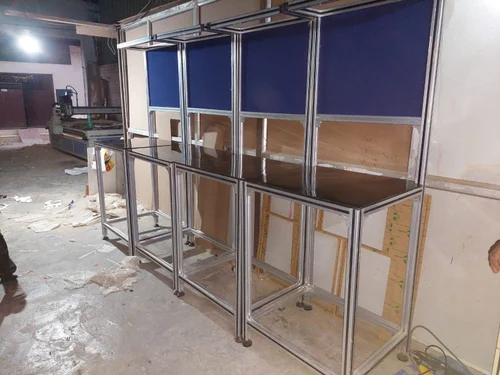
4. Conveyor Frame
The frame is used to support materials being transported, motor and sprockets/chain. A powerful frame contributes in providing alignment, and reduces any excessive vibration while operating.
5. Carrying surface/Attachments
There are chain conveyors which carry products on a chain, as well as conveyors that have slats, rollers, flights or special attachments. This depends on the product and application to be configured appropriately.
In what kind of applications are chain conveyors used in?
Because of their ability to move the material when it is challenging, chain conveyors are employed in a variety of industries.
Automotive Industry
Chain conveyors are commonly used in vehicle manufacturing to move various parts and assemblies between production stations. They also transport materials such as vehicle parts and pallets to truck interchange areas and material transfer stations. Their high load-carrying capacity makes them suitable for handling heavy components in the automotive industry.
Manufacturing Units
Chain conveyors transport raw materials, components, material in production and finished goods in manufacturing facilities. They may likewise be incorporated right into automated production lines.
Warehousing and Distribution
Heavy-duty chain conveyors can assist with the transport of heavy duty loaded cartons, pallets, packaged goods or containers to and from the warehouse area. They provide a means of minimising manual handling and optimising internal material handling.
Packaging Industry
Chain conveyors are used to transport products from filling or sealing stations to the labelling, inspection and packing stations in a packaging plant. Their well-controlled movements can contribute to the continuous production processes.
The sausage is prepared and packaged.
In food and beverage facilities, where hygienic construction and easy cleaning must be accounted for, specially-designed chain conveyors can be employed. Depending on the processing conditions, the material as well as the conveyor unit is chosen.
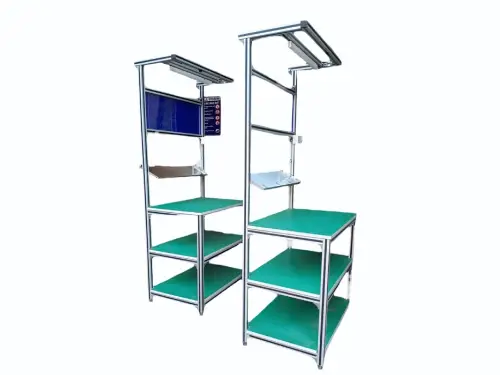
Assembly Lines
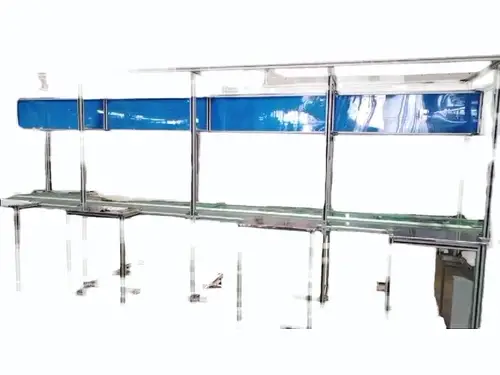
Chain conveyors are significantly in fact useful through assembly operations. The products can pass through various workstations and different machines (automatic and manual) can run different processes at each station.
Some of the key benefits of Chain Conveyors are:
Chain conveyors have a number of advantages in industrial processes.
High load capacity: they are able to carry heavy products, which might not be able to be conveyed by a lightweight product carrying system.
Durability: With robust frames and strong chains these conveyors can perform well in challenging industrial conditions.
Controlled Movement: Consistent product movement along conveying path is achieved in the operation of a chain-driven, controlled movement.
Tailor-Made Layouts: Conveyors can be installed in a variety of different layouts, lengths, widths and configurations depending on the production needs.
Automation Compatible: They are compatible with automation components such as sensors, motors, controllers and other automation components.
Less manual handling: They can automate the movement of materials between workstations, which can help to minimize repetitive movements and enhance efficiency in the workplace.
A right selection of a chain conveyor is of vital importance.
Carefully evaluate the application to determine the right conveyor. First, determine the product’s weight, dimensions, surface characteristics, and required conveying speed. Also, consider the operating environment, including temperature, humidity, dust, chemicals, and frequent cleaning, as these factors can affect conveyor components.
Other factors to take into account are the layout of the conveyor, space available for the installation, the required capacity of the conveyor load, motor specification, and maintenance. Having a partner who has years of experience in conveyor belt manufacturers can ease businesses in assessing the material handling needs according to the company and identifying a perfect conveying solution for them.
When looking for any type of conveyor belt supplier, you can depend on your supplier to offer direction on components, replacement parts and systems demands, too. In larger projects, different conveyor system manufacturers will come up with solutions that incorporate several conveyor stages in one.
Must Read: Why Choose an Experienced Industrial Conveyor Belt Manufacturer?
When it comes to manufacturing, certain professions are essential.
It is directly related to the quality of a chain conveyor and its performance and service life. For reliable operation, proper engineering, accurate fabrication, quality components and suitable drive systems are paramount.
Learning to work with the experienced industrial conveyor manufacturers is a great challenge. They have the freedom to create systems to suit the production’s needs rather than following a “set and forget” approach to a standard configuration for all productions.
A professional conveyor machine manufacturer is also able to supply custom-made solutions for applications, which needs special dimensions, speeds, loading requirements or automation specifications.
However, if you’re looking for a conveyor manufacturer near me, you should consider the price beyond the initial price tag. Quality Product, Manufacturing Experience, Technical Support, Customization, Maintenance, and After-sales services all should be taken into account when making your decision!
All the Chain Conveyors are serviced.
Periodic inspections help ensure the smooth and efficient performance of chain conveyors. Operators should regularly inspect moving parts, including chains, sprockets, bearings, motors, and other components. Follow the manufacturer’s recommendations when lubricating these parts.
Checking chain tension and alignment also plays an important role in maintaining performance. Operators should investigate excessive wear, unusual noise, vibration, or irregular movement immediately. Early identification of these issues helps prevent unexpected problems and costly production downtime.
Conclusion
Chain conveyors play a crucial role in transporting heavy and rigid materials across industrial facilities. Their simple operation, high load capacity, flexible configurations, and automation capabilities make them suitable for various applications, including automotive manufacturing, warehouses, packaging, and assembly processes.
Businesses can improve material flow, reduce manual handling, and increase manufacturing efficiency by understanding their operational requirements and selecting the right conveyor configuration. Choosing an experienced manufacturer and following a regular maintenance program can further improve the reliability, performance, and service life of the conveyor system.