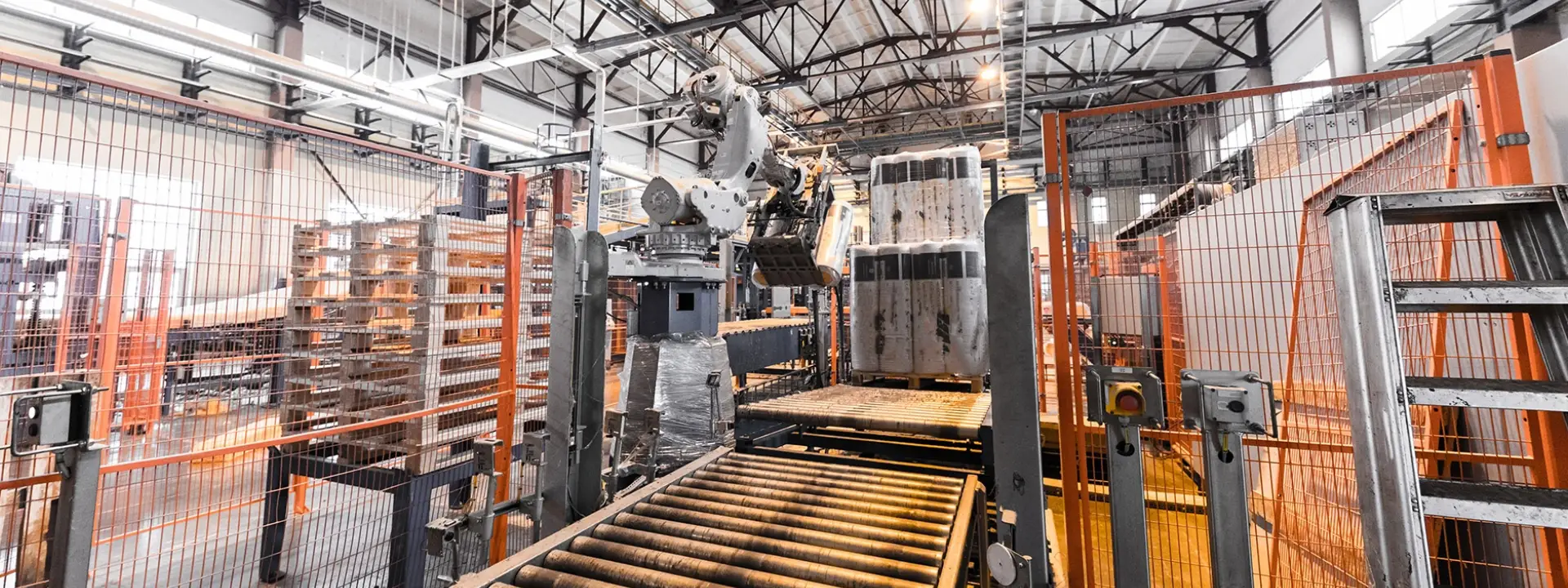
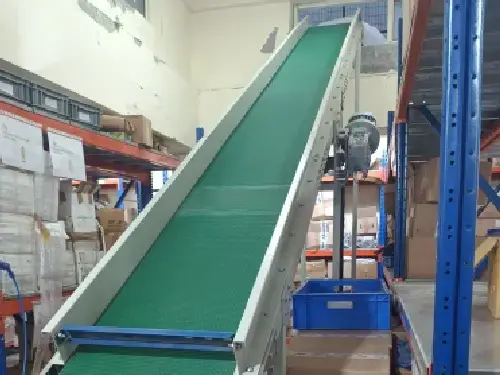
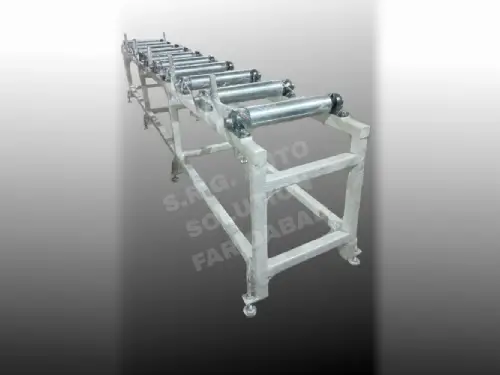

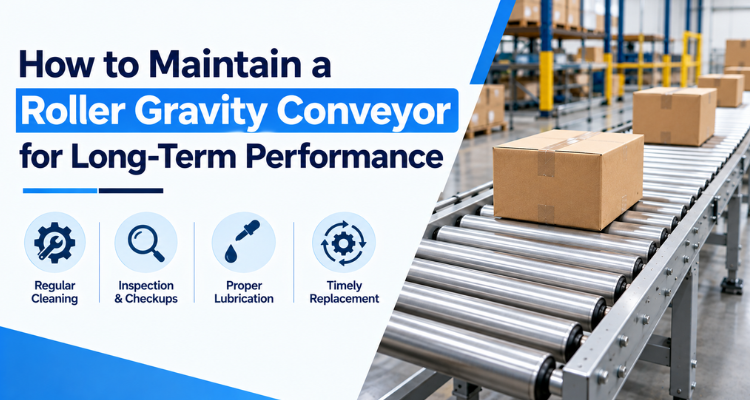
A roller gravity conveyor is a commonly used material handling solution in warehouses, distribution centres, manufacturing facilities and even packaging plants. It provides products with an easy flow from one place to another with little/no expended energy. But, long-term safe and efficient operation of the Conveyor requires regular maintenance.
With the proper maintenance, there is a minimal chance for downtime, component life can be prolonged and the material can flow in a continuous manner. There are many ways to do this, and if you’re a small-scale or outside-the-wall conveyor or deal with a bigger material handling system, it could make a particular distinction.
1. Check the Rollers Regularly
It is the most crucial moving parts of a roller gravity conveyor are the rollers. Check them periodically for wear, damage, corrosion or lack of movement.
A roller that is not able to rotate freely may impede the flow of the product further and cause more stress to the other pieces. Ensure that any also worn or damaged rollers are replaced as soon as possible to avoid any further issues.
Using a reputable conveyor roller manufacturer will help you obtain a set of roller parts that will be appropriate for the size of your conveyor, the loading capacity and environment.
2. Be sure to keep the Conveyor Clean!
Rolers, conveyor frames can collect dust and dirt as well as packing materials and debris. This stack can cause problems when the rollers roll, and increase unnecessary friction.
Regularly clean conveyor, particularly in dusty / loose material environments. Scrape away contamina-tion from between the rollers and inspect for objects in the product flow harness.
Not only is a clean conveyor more efficient and reliable, it offers safety for the person operating it.
3. Check Roller Alignment
Proper alignment is critical to moving in a smooth manner. Materials boxes or containers may move unevenly or purse or become jumbled if there is a misalignment of the rollers.
In a regular inspection, check to ensure all rollers are in the correct position and securely fastened to the conveyor. Get alignment problems fixed as soon as possible to prevent unequal wear and undue stress on the structure of the conveyor.
4. Check Frames and supports for rotations, cracks, splits, or swell
The conveyor frame is used to support the roller and the loads that run along the conveyor. Look for loose fastenings, cracks, corrosion, or other indications of wear and tear in frames, brackets, legs and connections.
Keep conveyor stable and level. Products not loaded evenly can impact product flow and could lead to falls from the conveyor system.
Conveyors that are loaded with bulk quantities or are working for long durations need a regular structural inspection.
5. Lubricate Moving Components
Unlike powered conveyor systems, roller gravity conveyors do not use as many moving parts and thus maintenance is less frequent but some moving parts may still need lubrication.
Inspect all applicable bearings, shafts and other parts as recommended by the manufacturer. Always use the proper lubricant and do not apply too much; too much lubricant will appeal to dust and debris.
If your business has both powered conveyor equipment as well as gravity conveyor, then you should be able to get some help from conveyor chain suppliers.
6. Check Load Capacity
All roller gravity conveyors have a recommended load capacity. Exceeding this limit can lead to excessive stresses to rollers, bearings, frames and support.
It is important that operators are aware of the conveyor’s rated capacity and distribute products accordingly. Do not overload, overfill, or use items that are too heavy or for the wrong spacing of the rollers.
Before making changes, talk to experts about the conveyor’s ability to handle various commodities and heavier materials.
7. Replace Worn Components
When a problem with a small component proves troublesome, it can develop into a major failure. Establish a maintenance plan and perform regular checks and replacements for worn rollers, bearings, fasteners and other parts as needed.
For instance, if multiple conveyor technologies operate in the same facility, businesses can rely on professionals from a chain conveyor manufacturers and material handling expert for assistance in determining appropriate replacement parts for the chain conveyor in question.
8. Train Operators
Proper operation is an important component of good maintenance. Staff to be aware of product loading and correct loading, unusual noises or movement and report damaged components.
It is important for the operator to always avoid pushing products through a clogged section or pushing other products that are not for forage use on the conveyor. Accidental damage can be minimised, and workplace safety enhanced through proper training.
Conclusion
Keeping a roller gravity conveyor as consistent as possible does not need to be complicated. Normal cleaning, checking rollers for any wear in situ, checking alignment for any wear, lubricating, and regular inspections of the rollers and replacement of any worn parts can help ensure reliable performance.
If you operate a good roller conveyor and gravity conveyor, they can give you the smoothness of movement for your material and also minimize downtime and enable good operations in your warehouse and production line. By following the right maintenance practices and developing quality components, it is possible to help extend the service life of conveyors and maximize long-term investments in material handling assets.