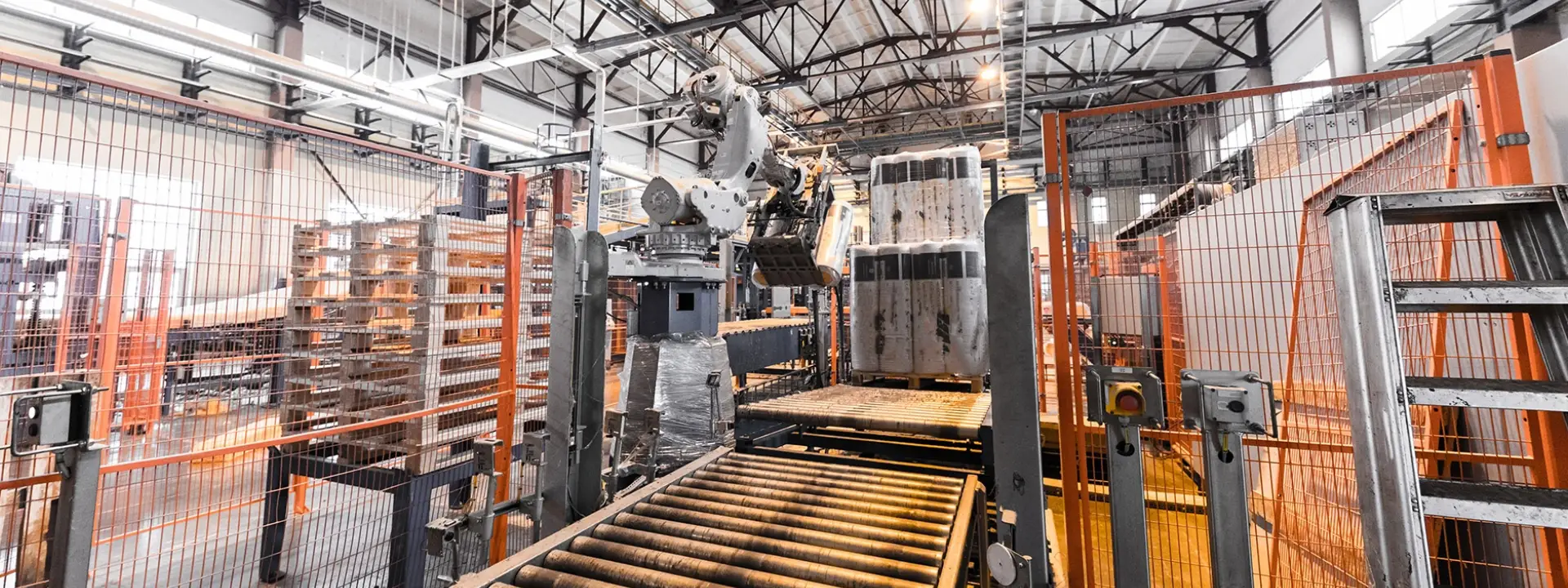

Packaging processing requires speed, precision, and efficient product transfer. In the food and beverage packaging industry, manufacturing of pharmaceuticals, electronics and consumer goods requires dependable equipment to seamlessly transport products through various production processes. These processes are made easier with the use of conveyor systems, which assist in automating them and enhance workflow.
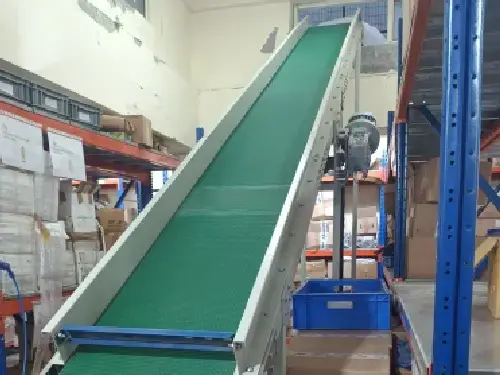
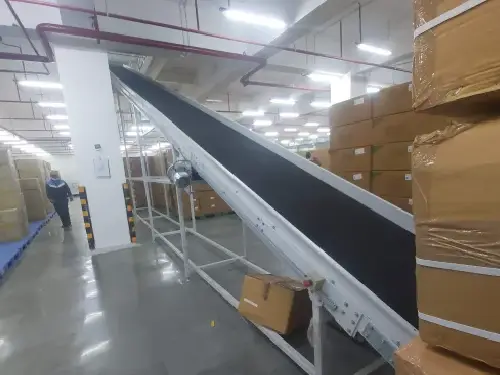
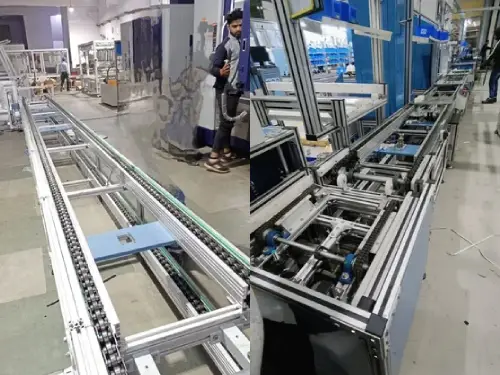
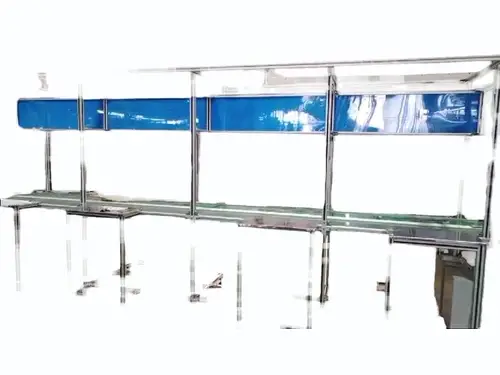
For packaging facilities, a flat belt conveyor is a widely used option due to its flat and continuous surface to carry products. It facilitates the transportation of goods from the filling stations to as well as from the sealing and labelling stations to the inspection as well as packing stations. The user can achieve greater productivity, quality and operational delays with the proper conveyor design.
1. Maintain smooth and continuous product movement.
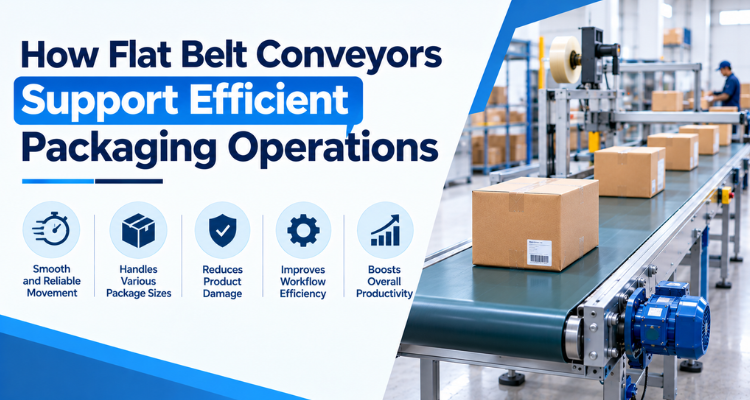
One of the prime benefits of a flat belt conveyor system is that it will assist in transporting the goods continuously from a packaging station to another. Companies can use conveyors for a constant flow of production, avoiding the need for workers to carry products.
This is especially important in environments where larger products are being packaged where speed and consistency are important. A smooth belt contour facilitates the flow of cartons, boxes, containers, pouches or other packaged produce.
The constant motion also saves time for the employees and reduces non-essential handling to allow them to focus on a more in-depth task.
2. Better Packaging Line Productivity
Packaging lines can include several operations such as sorting products, labeling, inspecting the product and final packing. The stop-start effect from one station can impact the whole system.
These processes are linked by a well-structured conveyor system that contributes to a steady process flow. There is less downtime between product movement from one stage of the process to the next, which enables companies to produce more product.
A well-experienced belt conveyor factory can help design a conveyor system based on the requirements of production pace, the size of the floor, product size and packaging. This can enable companies to put in place an effective business configuration that works effectively in everyday operations.
3. Improved manual handling and damage to products.
Risks of accidental falling, breakage of packaging and handling mistakes can be compromised when using manual product movement. These issues can contribute to the loss of product, costs and delays.
When transporting products through this packaging line, a flat belt conveyor will offer the stable surface needed for safe transportation. If belt speed and design are chosen appropriately, minimised disruption to the flow of product can occur between workstations.
Less manual handling can also better the workplace ergonomics. Reduce the time employees need to spend lifting and moving products and focus on quality checks, packaging adjustments and other important tasks.
4. You can easily connect packaging machines to the conveyor
In modern packaging plant, equipment include various filling machines (automatic), labeling, bar code reader, weighing machines, and sealing machines (automatic). All these machines could be linked together by conveyorization for a more coordinated production process.
A flat belt conveyor will be appropriate for a great deal of packaging applications, as it can be manufactured to a wide array of varying sizes, none of which would be attainable with any other type conveyor. They can choose the right belt material, motor power and speed based on the needs of the enterprise.
Alternately, if there are differences required in belt characteristics, a modular belt conveyor may be considered. Depending on product type, washing needs and conveyor design, its interlocking plastic modules can provide some flexibility in some handling environments.
That will require the appropriate conveyor technology to ensure a seamless integration with the packaging machinery that is already present.
5. Increased Quality Control and Inspection
Packaging operations require strict quality control. Some products need inspection for incorrect labels, damaged packaging, missing parts, or improper placement before workers pack the final product.
Conveyor systems move products through inspection stations at a controlled speed. This gives operators enough time to examine each item and allows automated inspection equipment to check products consistently and accurately.
Businesses can combine conveyors with sensors and suitable control systems to detect, count, and sort products into different categories. These features help businesses identify packaging defects early, reduce errors, and prevent defective products from reaching customers.
6. Managing the issue more easily and sustaining it over time.
Regular maintenance keeps packaging operations running smoothly. Inspect conveyor belts, rollers, motors, bearings, and drive components according to the manufacturer’s maintenance guidelines.
Businesses should choose equipment that suits their working environment and workload. Proper belt alignment, optimized operating speeds, regular cleaning, and timely replacement of worn parts help minimize unplanned downtime.
A reliable conveyor manufacturer can help businesses select the right conveyor system and establish effective maintenance routines. These practices extend equipment life, improve performance, and support long-term operational efficiency.
Conclusion
Flat belt conveyors improve packaging efficiency by maintaining a continuous product flow, reducing manual handling, and streamlining workflows. They also integrate easily with packaging and inspection equipment.
Choosing between a flat belt conveyor and a modular belt conveyor depends on product characteristics, hygiene requirements, operating conditions, and production goals. Selecting the right system and operating it properly helps businesses increase productivity, reduce packaging time, and achieve more consistent results.
A well-designed conveyor system provides packaging facilities with reliable performance and a strong foundation for long-term growth. Businesses can upgrade their material handling processes to improve efficiency and meet changing production demands.