
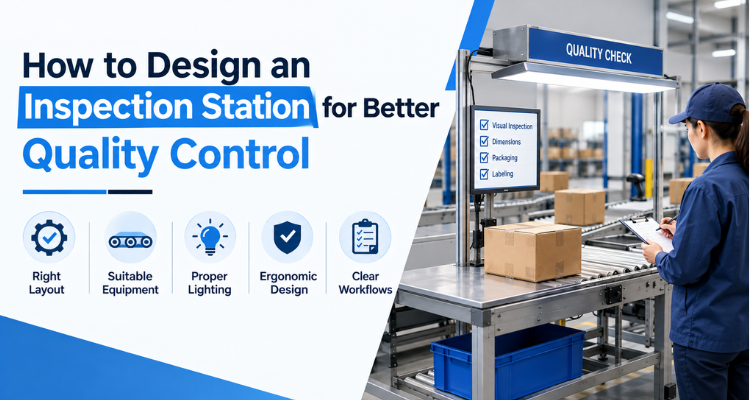
Quality control (QC) plays an essential role in modern manufacturing processes. A well-designed inspection station helps workers identify defects, maintain consistent quality standards, and prevent defective products from moving to the next stage of the production line. Whether you operate an automotive, engineering, electronics, or general manufacturing business, a well-organized inspection area can improve accuracy and efficiency.
An inspection station should provide a comfortable and practical workspace that gives operators easy access to tools, measuring equipment, and products. A well-planned layout also reduces unnecessary movement and supports a more efficient quality control process.
1. Firstly, gain insight into the Inspection Requirements.
Once you have determined what needs inspecting, write it down. The method of inspection for different products will vary. There may be dimension(s), material surface(s), alignment, assembly, weight, or other specification(s) that need to be reviewed.
Identify inspection tasks and tools/equipment required by the operator. This will guide you in your determination of table size, working height, lighting, storage and supporting equipment.
2. As a result, you should select an inspection table that’s appropriate for your needs.
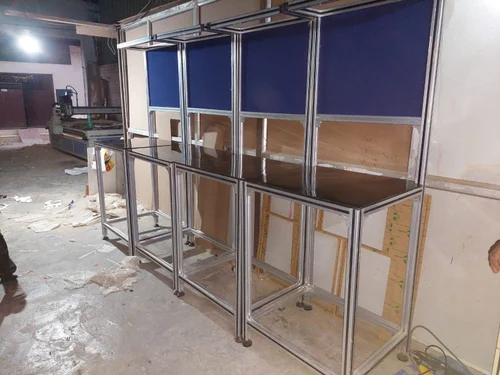
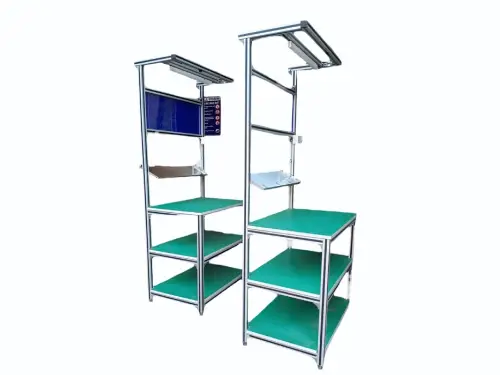
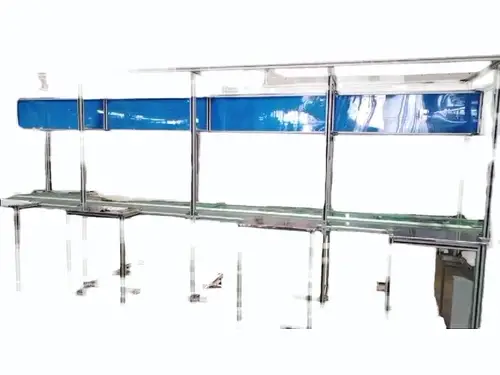
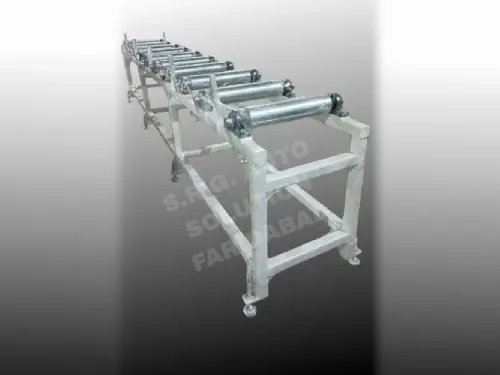
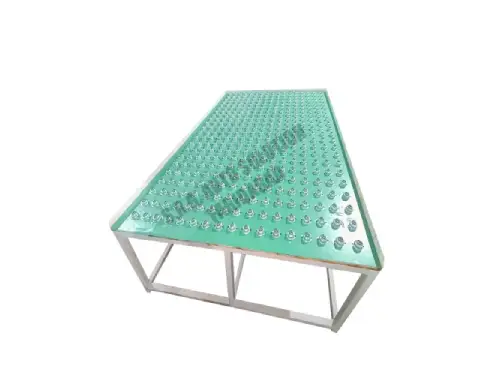
The middle of the station is called the inspection table (withstands the rush!). It should offer a stable and broad working surface for the operator to easily view products with a comfortable working surface. The table must also be strong enough and be large enough to hold the size and weight of the parts to be tested.
Existing inspection table manufacturers can cooperate with the business to dedicate a design according to the production demand. Additional drawers, shelves, tool holders, fixtures and features can be added to make the inspection task easier – these can be customised to every table.
3. Focus on Ergonomics
Design the inspection station around the operator’s needs. An unsuitable working height or position can cause discomfort and fatigue, especially during long inspection cycles.
Consider adjustable work surfaces, a comfortable chair, and adequate foot clearance and workspace. Keep frequently used tools within easy reach. An ergonomic workstation helps operators work comfortably and maintain consistent inspection standards throughout the day.
4. Provide Proper Lighting
Accurate visual inspection requires good lighting. Poor lighting can make it difficult to detect scratches, dents, colour differences, surface defects, and other imperfections.
Use appropriate lighting and distribute it evenly across the inspection area. Adjustable task lighting can help operators examine small parts of a product or focus on specific areas. Avoid excessive glare and shadows, as they can make visual checks more difficult.
5. Train to use tools and measuring instruments properly
A busy inspection station can increase inspection time and the number of errors. Keep measuring devices, gauges, fixtures, and records properly organized and maintained.
Use equipment holders, shelves, cabinets, and drawers to keep tools and equipment in their designated places. An organized system also helps operators quickly identify missing, lost, or misplaced tools before starting an inspection.
6. Clean up the Inspection Area
In quality control, cleanliness is another factor that needs to be considered. Particles of dust, oil, metal and other contaminations could impact the inspection result or cause damage to sensitive components.
Opt for maintenance and cleaning-friendly materials. Develop standard cleaning practices and make sure that non-inspected and inspected products are separated. A clean station will provide a controlled inspection environment.
7. Take into account Safety and Accessibility
Designing an inspection station should never compromise workplace safety. Keep cables organized and free from unnecessary obstructions, and provide enough space for operators to move safely around the workstation.
To minimize manual lifting, provide suitable equipment for handling heavy products. Protect workers from sharp objects, electrical hazards, and other potential dangers by using appropriate safety measures and protective equipment.
8. Leave potential for future improvements
Manufacturing requirements can change over time, so businesses should consider potential future workflow needs when designing an inspection station. These needs may include additional tools, fixtures, storage space, or measuring equipment.
A modular or customized workstation makes future modifications easier. This flexibility allows businesses to adapt their inspection processes as requirements change without disrupting the existing setup.
Conclusion
An effective inspection station can improve the precision, efficiency, and convenience of quality control for workers. A well-designed workspace with proper ergonomics, lighting, organization, cleanliness, safety, and flexibility creates a reliable environment for product inspection.
Businesses should evaluate their specific manufacturing needs before choosing an inspection workstation. By designing the inspection area appropriately and working with experienced inspection table manufacturers, businesses can create a consistent quality control process and support efficient production.