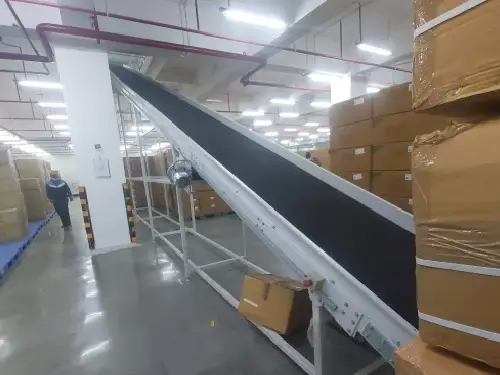

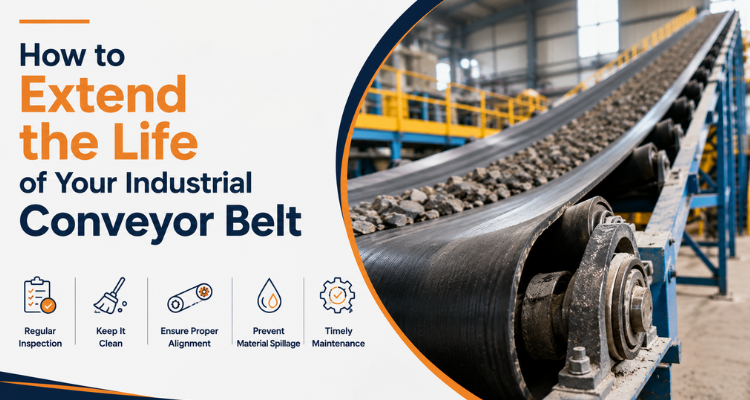
Industrial conveyor belts are essential for streamlining industrial, mineral, construction and warehouse processes. They come into contact with wear and tear over time as they are continuously used in a demanding environment. But by proper conveyor maintenance, you can greatly extend the lifespan of your conveyor, reduce your downtime, and minimize your repair costs.
Maintaining a conveyor system will not only increase productivity but also ensure the safety of the work area. In this post, we offer a few suggestions to extend the life of your conveyor belt.
1. Perform Regular Inspections
Conveyor inspections are the initial steps in ensuring that big problems are avoided. Look for any cracks, frayed ends, areas of wear, or damage on the belt. Additionally, look for any issues with fasteners, bearings, pulleys, or rollers.
By early detection of any small problems, they can be resolved before they become a high-cost way of repairs or production delays.
2. Maintain a clean Conveyor Belt!
Conveyor performance may be adversely impacted by dust, dirt, grease and material buildup. Clogged belts cause increased friction, misalignment and wear of components.
Use appropriate cleaning equipment to clean the conveyor regularly and make sure cleaning equipment such as scrapers and scrap belt is working properly. A properly functioning conveyor system runs more smoothly and longer.
3. Keep belts properly aligned
If the belt isn’t aligned, it can wear out at uneven levels, causing damage to the edge of the belt and unnecessary strain on the conveyor system. This should be done periodically and adjustments should be made when the belt starts to drift to one side.
Correct alignment will maximize efficiency and eliminate rolling and pulley strain.
4. Reduce the load on the conveyor
All conveyors have a specified load capacity. Unfortunately, operating the machine at peak loads increases stress on the belt and other moving parts leading to increased wear and even failure.
Tag size material onto belt, and have train operators ensure that materials are loaded evenly and within the recommended sizes across the belt to ensure uniformity in belt operation.
5. Tighten belting (to ensure it is properly tensioned).
One of the most frequently occurring causes for conveyor issues is incorrect belt tension. You don’t want a belt that is too tight on the bearings and motors, nor do you want a belt that is too loose and will slip or won’t keep track.
Conduct checks and prevent over- and/or under-tightening of the belt at intervals recommended by the belt manufacturer for proper belt operation.
6. Lubricate Moving Components
Some machine parts will need lubrication, but not the conveyor belt in and of itself. Moving parts, such as bearings, chains and rollers, should be properly lubricated as recommended.
With proper lubrication, friction is reduced, wear is minimized and the conveyor runs smoothly.
7. Complete Maintenance Tasks in a Timely Fashion
Out-of-Alignment rollers, pitted or broken pulleys, broken fasteners, or faulty bearings can cause added stress on the conveyor. Seeking to replace worn-out parts before they cause problems to the rest of the system also conserves money in maintenance.
Preventing emergency breakdown expenses is much cheaper than using a proactive replacement schedule.
8. Provide Employee Training – Proper Operation.
Conveyor belts can be subjected to timesharing when they are amply caused by mistakes made by the operator. All employees should be familiar with the proper startup and shutdown procedures, loading procedures and emergency procedures.
When the employees are well-trained, they will likely pick up any of the warning signs and will be more likely to report any maintenance issues in time before they become a problem.
9. Schedule Preventive Maintenance
Don’t let your equipment fail; follow a preventive maintenance program. Conducting regular maintenance checks, cleaning, adjustments and parts replacement ensures optimal performance and minimises unplanned downtime.
The preventive maintenance also improves the availability of equipment and boosts the useful life of the entire conveyor system.
10. Select High-Quality Conveyor Belts:
The durability and performance of the conveyor belt depend mostly on its quality. When you buy products from a reliable industrial conveyor belt manufacturer, you are guaranteed that you get belts that can handle both challenging working conditions and rough handling.
Similarly, when it comes to heavy-duty material conveying applications, the choice of a suitable construction conveyor belt gives improved abrasion, impact and harsh environment resistance, thereby resulting in a longer service life.
Conclusion
Keeping your industrial conveyor belt going for multiple years isn’t difficult; it’s just a matter of monitoring, maintaining, cleaning and properly operating your equipment. These may save expensive breakdowns, boost productivity and save on operations costs if performed regularly with small and not so costly maintenance items.
Proper selection of quality equipment and maintenance according to best practices can ensure a business gets the most out of its conveyor and will have it running for years to come.
Must Read: What Makes a Conveyor Chain Supplier Trustworthy?